
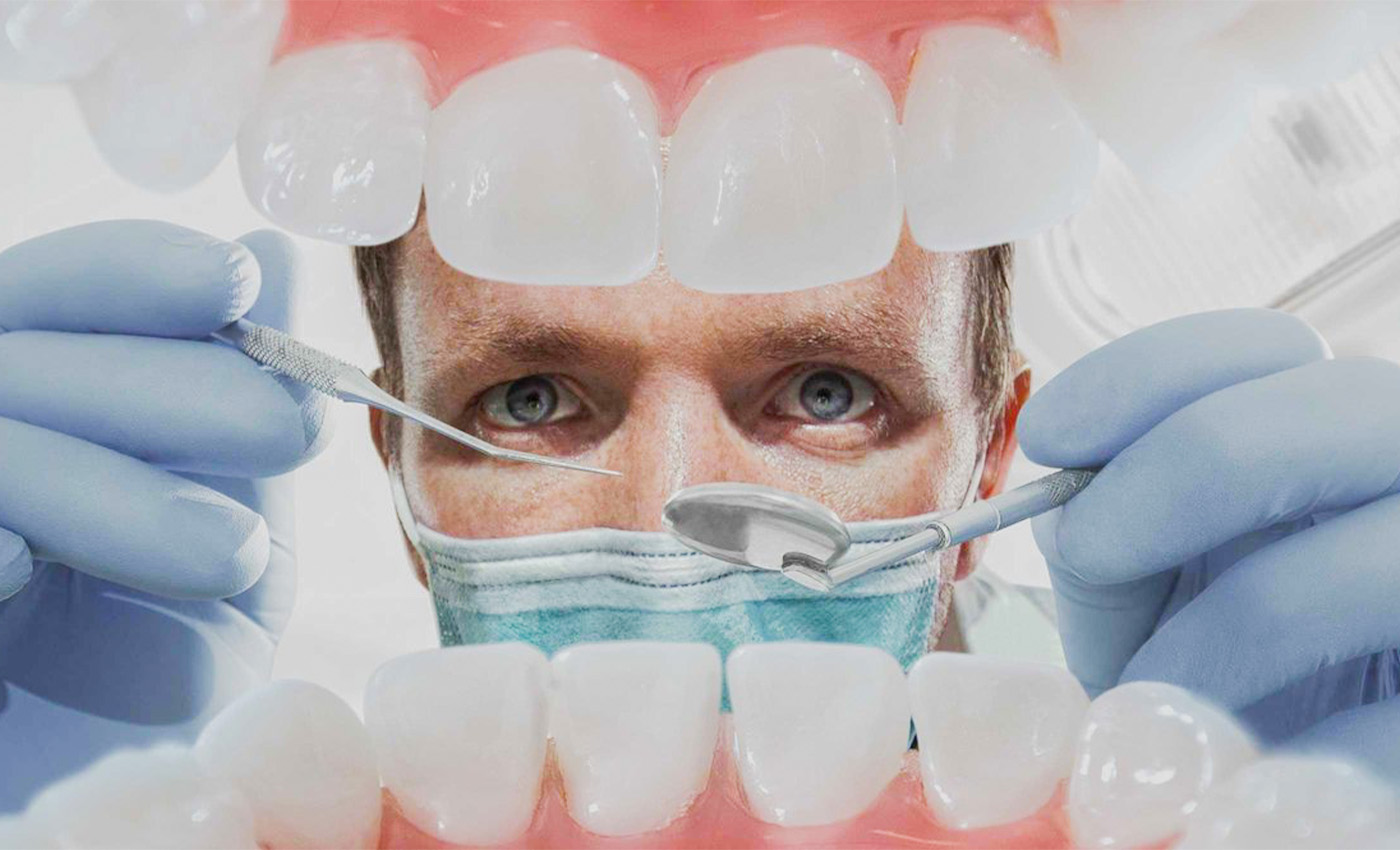
Common Dental Problems with Ideal Dental Solutions
All humans, young and old alike, fall victim to Oral Health issues every once in a while. Here is a summary of 11 of the most common Oral Health problems people of all age groups face. We have also mentioned the type of medical professional who addresses each of these issues.
Oral Thrush or Oral Candidiasis:
Thrush is mostly common in older adults or babies and is caused by candida yeast. However, a weak immune system, antibiotics, diabetes, or certain medications, such as inhaled corticosteroids, can allow candida to proliferate. Soreness will result from wiping away the patches. Consult a doctor for a definitive diagnosis.
Black Hairy Tongue:
This painless condition often occurs when the small bumps on your tongue grow long and hence trap bacteria that live in your mouth — making the language look black and hairy. Causes can include:
Antibiotic use.
Poor oral hygiene.
Smoking.
Drinking a lot of tea or coffee.
Not producing enough saliva.
Brushing the tongue along using a tongue scraper is usually all you need to treat it, though sometimes medication is necessary. A dentist might be able to help you with this issue.
Canker Sores:
Nobody knows what causes these tiny, painful blisters in your mouth. Hypersensitivity, infection, hormones, stress, and a lack of specific vitamins are all triggers. Canker sores, also known as aphthous ulcers, can appear on the tongue, cheek, or gums. They typically last about a week or two. Canker sores that are persistent or severe can be treated with numbing creams, prescription medications, or dental lasers.
Leukoplakia:
It usually develops as a reaction to an irritant, such as rough teeth, ill-fitting dentures, smoking, or smokeless tobacco. It appears in the mouth as white patches or plaques, is usually painless, and cannot be scraped off. Leukoplakia can also be a precursor to cancer. A dentist should evaluate persistent patches or other changes in your mouth. Depending upon the reason for irritation, you may be referred to a dentist or an ENT specialist.
Lichen planus:
It is a rare rash that appears as lacy, white patches, or shiny red bumps on the inside of the cheeks or tongue. Nobody knows what is causing it. In most cases, mild lichen planus does not require treatment. It can usually be treated with appropriate oral medication if it causes pain or ulcers. Oral lichen planus is a chronic condition that increases the risk of oral cancer. Lichen planus can also affect areas like genitals, scalp, skin, and nails.
Oral Cancer:
A persistent sore in the mouth. Numbness in the face, mouth, or neck that is not explained. Chewing, speaking, or swallowing difficulties These are some of the signs of oral cancer. Smoking, excessive drinking, overexposure to the sun, and a family history of cancer are all potential causes. The human papillomavirus, or HPV, has also been linked to oral cancer. Don’t let fear keep you from seeing a doctor; early-stage oral cancer is treatable and curable.
Chipped Tooth:
Chewing on ice or hard candies, grinding or clenching your teeth, and even exposing your teeth to heat and cold can cause chips, cracks, and breaks. Minor chips or cracks may not be an issue. Anything more, on the other hand, could cause pain or permanent tooth damage. Your dentist can provide dental bonding, tooth contouring, porcelain veneers, and crowns to repair badly damaged teeth.
Amalgam Tattoo:
Have you ever noticed a small blue-gray “stain” in a delicate part of your mouth after having dental work done? Amalgam tattoos are caused when a small piece of amalgam filling becomes embedded in your cheek or gum. The silver in the amalgam leaches into the soft tissue of your mouth, resulting in what appears to be a tiny tattoo. Amalgam tattoos are completely safe.
Gum Disease like Periodontitis:
Bacteria in plaque can accumulate along the gum line when periodontal (gum) disease develops. The first stage of gum disease is gingivitis. Gums that are red, puffy, and bleeding are symptoms. It can be exacerbated by smoking, a poor diet, and stress.
Periodontitis, or gum infection, is the next stage of gum disease. Inflammation causes the gums to recede, resulting in pockets between the teeth and gums. These pockets collect tartar, plaque, and food debris, which can lead to infection and abscesses. Advanced gum disease destroys the bone that supports the teeth and is one of the leading causes of adult tooth loss. Consult your dentist for treatment.
Cavity, Abscesses, Discolouration:
Daily flossing, brushing, and rinsing, as well as regular dental checkups, can help prevent cavities, abscesses, and tooth discoloration. When you have a severe toothache, don’t play around. Infections in the mouth can spread to the face, skull, and even the bloodstream. If your tooth hurts, or if you have a fever, earache, or pain when you open your mouth wide, see your dentist as soon as possible.
Bad Breath or Halitosis:
Food particles around unbrushed teeth promote bacteria and cause bad breath. Persistent bad breath or a bad taste in your mouth could be caused by continuous mouth breathing, dry mouth, tooth decay, a sign of gum disease, or even diabetes. Brushing your teeth and tongue, flossing and rinsing with an antiseptic mouthwash on a daily basis, drinking water, and avoiding food triggers. Visit your dentist if bad breath still persists.
Conclusion:
Most of the aforementioned problems can be solved by a medical practitioner, which here, in most cases, is a dentist. So if none of the home remedies work, visit your dentists as soon as possible.












Hailey - 8 months ago