• Dentist Channel Online Dentist Channel Online
  • 25 April, 2022

Biostatistics Part I - Level of Measurements, Data Collection


Biostatistics is a branch of statistics that emphasizes the statistical applications in the biomedical and health sciences.  

Steps in scientific investigations 

  • Formulation of the research problem 
  • Identification of key variables 
  • Statistical design of an experiment 
  • Collection of data 
  • Statistical analysis of the data 
  • Interpretation of the analytical results 

The Levels of Measurements 

  • Nominal 
  • Ordinal 
  • Interval 
  • Ratio 

A nominal measurement scale represents the simplest type of data, in which the values are in unordered categories. 

  • Examples: 
  • Gender (F, M) 
  • Blood type (type A, type B, type AB, type O) 
  • Yes/no response on a survey questionnaire 

In the ordinal measurement scale, the categories can be ordered or ranked. 

  •  The amount of the difference between any two categories, though they can be ordered, is not quantified. 

Examples: Loe-Silness gingival index, Tooth mobility, Pulp status - (normal, mildly necrotic, moderately necrotic, severely necrotic) 

In the interval measurement scale observations can be ordered, and precise differences between units of measure exist. 

However, there is no meaningful absolute zero. 

Examples: IQ score representing the level of intelligence, Temperature - A thermometer might have intervals of degrees. 

The ratio measurement scale possesses the same properties of the interval scale, and there exists a true zero. 

  •  Examples: Weight in pounds, Patient’s waiting time in a dental office 

Methods of Collecting Primary Data 

  • Observation method 
  • Through questionnaires 
  • Interview method 
  • Through schedules 

Observation method 

  • Observation becomes a scientific tool when it serves a formulated research purpose, is systematically planned and recorded and is subjected to checks and controls on validity and reliability. 
  • Information is sought by way of investigator’s own direct observation without asking from the respondent. 

Interview Method 

  • The interview method of collecting data involves presentation of oral-verbal stimuli and reply in terms of oral-verbal responses. 
  • Personal interview method requires a person known as the interviewer asking questions generally in a face-to-face contact to the other person or persons
  • Telephonic method is collecting information through contacting respondents on telephone.  

Pilot survey 

  • Pilot survey is the replica and rehearsal of the main survey. 

Selection of Appropriate Method for  Data Collection 

  • Nature, scope and object of enquiry 
  • Availability of funds 
  • Time factor 
  • Precision required 

 Article by Dr. Siri P. B.

Categories:
Tags :
Comments :
Hailey Avatar
Hailey - 8 months ago
My name is Hailey Garcia and I am from New Jersey. My herpes virus turned to war after 2 years of living with it. I have tried different medical procedures to cure my herpes but to no avail. Most people think herpes is only a minor skin irritation of which herpes has long term effects on health and passes through the bloodstream and can be easily contracted through sexual intercourse. I knew I had herpes from the first day I started feeling itchy in my pubic area and the pain was very unbearable. I couldn't stand it anymore. After 2 years of trying other means to get rid of it, I had to contact Doctor Odunga to help me with a permanent cure. I saw his email and whats-app number from a testimony I read online from a lady who was also helped by him in curing infertility problems, I had faith and contacted him. He assured me of his work and I ordered his herbal medicine. Within 5 days, I didn't feel any pain anymore and within 2 weeks, my skin was all cleared and smooth. I am very grateful to you sir and I write this testimony as others have done to bring those having faith to you sir. If you have herpes or other similar disease and you want it cured, kindly contact Doctor Odunga, Whats-App (wa.me/+2348167159012) OR Email [email protected]

Authentication required

You must log in to post a comment.

Log in

Upcoming webinars:

  • 18 December,2025
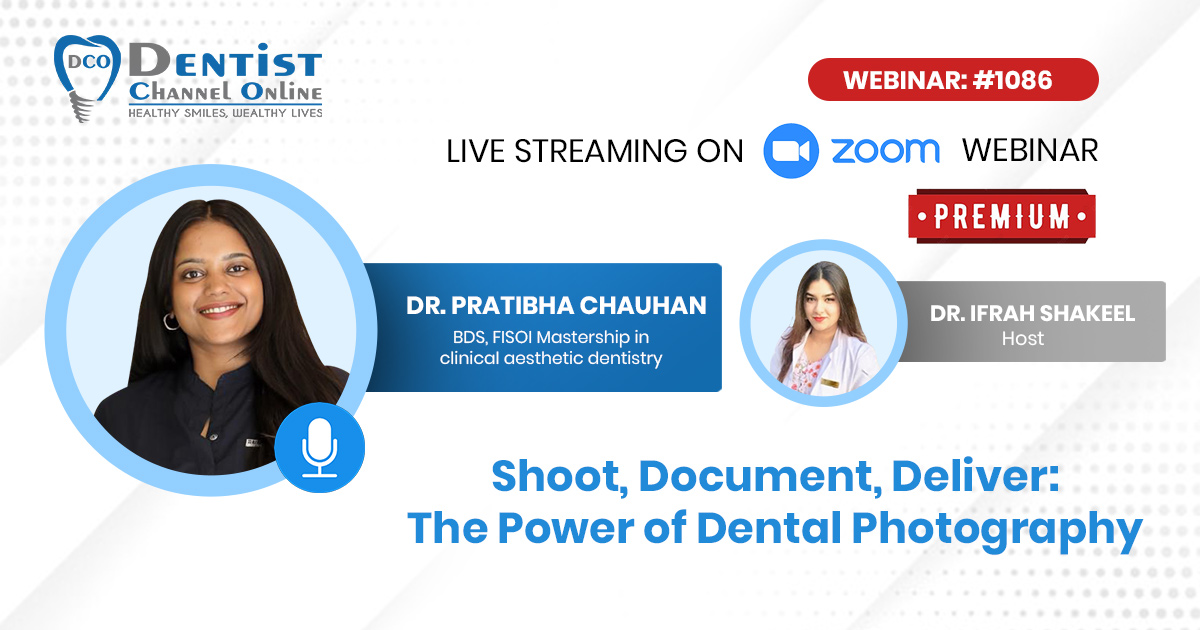
Shoot, Document, Deliver: The Power of Dental Photography

Join our webinar ‘Shoot, Document, Deliver: The Power of Dental Photography’ to master equipment, techniques, and applications for impactful clinical images.

  • 21 December,2025
Minor Oral Surgery, Major Challenges : Clinician’s Guide

Gain practical insights into managing common challenges and complications in minor oral surgery for improved clinical outcomes.

  • 25 December,2025
From failing dentition to fixed function: Advanced full-arch implant restorations with a patient-centered approach

Discover advanced full-arch implant restorations transforming failing dentition with a patient-centered approach.

  • 28 December,2025
In the Loop : Decoding the Matrix Systems

Simplifying the matricing challenges from Flat to Fabulous

  • 1 January,2026
Management of Complications Post Transalveolar Extractions.

This Webinar will cover Management of Various Complications Occurring after Surgical Extractions.

  • 2 January,2026
Basics of Prosthetic Options in Dental Implants

Choosing the right prosthesis is the key to long-term success in implant dentistry.

  • 16 January,2026
Abutment Selection In Implantology- Which, When and Why?

This webinar will briefly discuss various abutment options and their selection process to enhance implant function and longevity.

  • 18 January,2026
Clinical Implications of Proximity of Nerve with Mandibular Third Molars

A Webinar on Evaluating Nerve Proximity Risks during Mandibular Third Molar Surgery for safer Clinical Outcomes.