
 Dentist Channel Online
This article briefly explains on various diagnostic categories of dental pulp.
Normal – Pulp is categorized as normal when it is asymptomatic, respond normally to pulp testing. The pulp should be free of caries, deficient restorations, developmental defects, and cracks. Radiographically the periradicular tissues should also appear normal with an intact lamina dura to categorize pulp as normal .
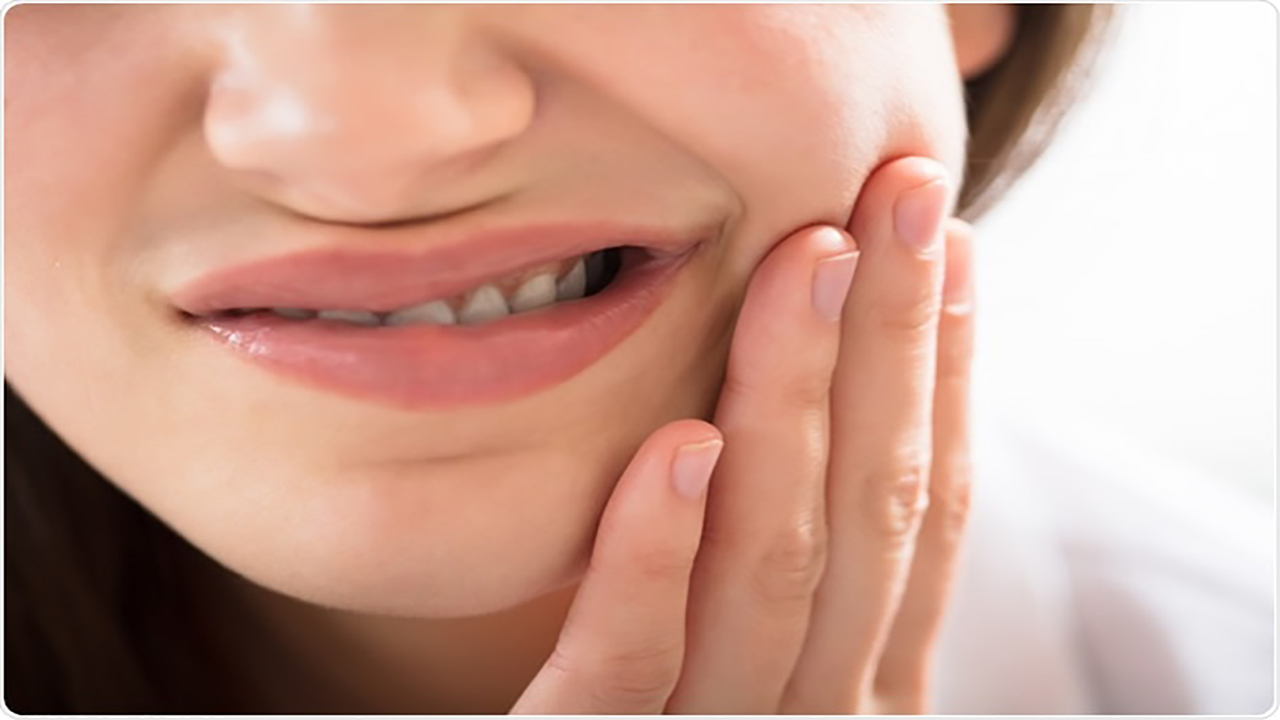
Reversible Pulpitis – Here, teeth responds normally to pulp testing. The teeth may be asymptomatic or may have mild to moderate symptoms such as thermal sensitivity, sensitivity to sweets, pain to tactile stimulation, or pain when chewing. Removal of stimulus subsides the pain completely. Common etiologies are caries, deficient restorations, attrition, abrasion, erosion, cracks, or developmental defects that lead to exposed dentin. Dentinal hypersensitivity is also considered as a form of reversible pulpitis. Nature of pain is sharp, short pain that is relieved immediately on removal of stimuli . Here, the treatment involves. Treatment options in such conditions involves caries excavation, placing or replacing restorations or sealing the dentin. The periapical tissues appear normal here.
Irreversible Pulpitis – Caused by deep dentinal caries or restorations. Spontaneous pain may occur or be precipitated by thermal or other stimuli. The pain is lingering and lasts for several minutes to hours. Nature of pain is sharp, exaggerated, painful in response to thermal stimulus and is either one or a combination of the following symptoms i.e. spontaneous, continuous, lingering or nocturnal. Periapical changes are not seen here or in some cases the lamina dura appears widened or shows evidence of condensing osteitis. Dull pain that lingers even after the removal of the stimuli is noted here. Root canal treatment is opted in such condition.
It can be symptomatic or asymptomatic irreversible pulpitis. The tooth is asymptomatic and if left untreated will become symptomatic irreversible pulpitis, or the pulp might become necrotic.
Necrosis – Pulp necrosis is defined as a clinical diagnostic category indicating death of the dental pulp. The pulp is usually nonresponsive to pulp testing. Necrotic pulp do not respond to any of the pulp testing modalities. Teeth with necrotic pulps may or may not exhibit periradicular pathosis. Pulp necrosis has two forms: dry and liquefactive. Dry necrosis is characterized by a root canal system devoid of tissue elements. This type of necrosis is most likely to produce periradicular pathosis. Liquefactive necrosis is characterized by pulp tissue with structure but lacking significant vascular elements. Liquefactive necrosis is more likely to produce symptoms and less likely to produce periradicular pathosis.
Article by Dr. Siri P. B.








Hailey - 1 year ago