
 Dentist Channel Online
The fact about getting Dental Implants
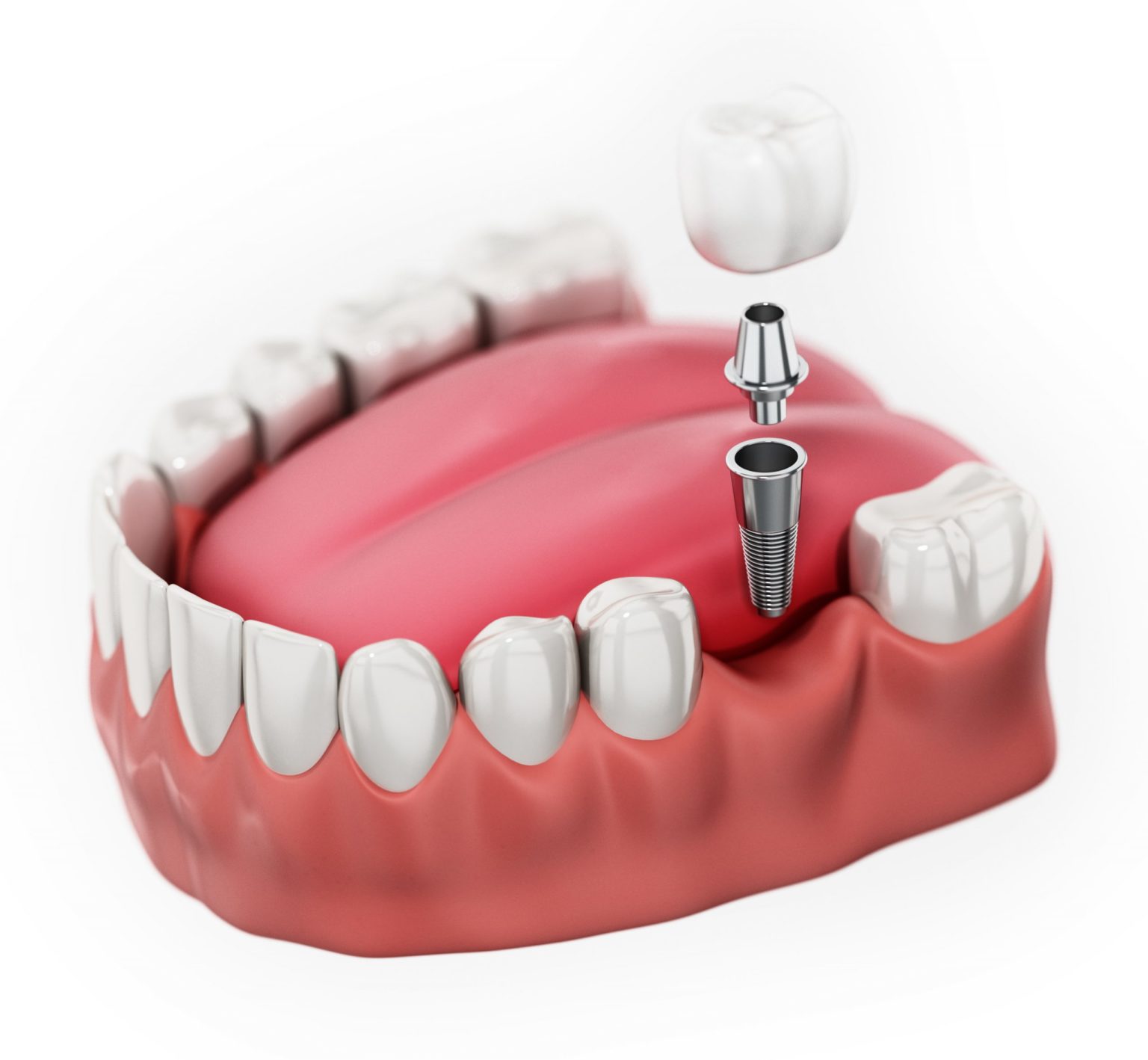
Dental implants are currently one of the most convenient options for replacing your missing teeth. An experienced dentist could perform this procedure in just a single appointment, a dental implant procedure generally yields in success resulting in a natural-looking smile, additionally with improved teeth functionality and also decreasing the chances of bone-loss. Given that you consider dental implants as a fixed augmentation rather than a removable solution for replacing missing teeth, there are a few pros and cons to this process:
Pros
Dental implants can last a lifetime if taken proper care of. Unlike dentures, they generally do not need to be replaced after a certain amount of time.
Dental bridges rely on the neighboring teeth for support, whereas dental implants are fused into your jawbone. This protects your remaining teeth from damage or strain.
Caring for dental implants is generally quite easy as you would practice the same oral care as you would for your normal teeth. This entails brushing, flossing, and regular dental visits.
Implants look and function like real teeth, with no clicking noises or speaking and chewing difficulties that can occur with dentures.
Cons
The dental implant procedure cannot always be completed within one appointment. Waiting for the actual implant to fuse with your jawbone can take a certain amount of time. During this time, a temporary tooth will be placed over the area.
Implants require a certain volume and density of bone. Many patients require additional bone augmentation. Fortunately, bone augmentation techniques have become less invasive and less painful in recent years. Occasionally some patients are not suitable.
Dental implants are a surgical procedure and although it is considered safe, complications cannot be ruled out. Risks include infection, nerve injuries, or bleeding. Factors such as poor hygiene and smoking can increase your risks of infections.
Will there be pain after a dental implant procedure…?
One of the most often asked question is, will there be pain after getting a dental implant, well the short answer is yes, but like the saying goes no pain no gain.
While, most dental implant procedures are conducted under a dosage of local anesthesia and would not be as painful as one might imagine, However, the real pain starts to kick-in after the anesthesia wears out and your body’s healing process begins as a lot of white blood cells are released in the area of the procedure, and it will take time, but your body will get used to the pain and this is when you have somewhat recovered and the healing is almost complete.
What precautions to take after the procedure or during the healing period…?
As with any surgical procedure, doctors highly recommend taking rest, as there is always an increased risk of something going wrong when you are under the dosage of anesthesia or any other pain cancelling medication for that matter. However, generally speaking there are other things one may need to follow in order to ensure a quick & steady recovery.
Here are a few tips that are highly recommended by dentists after getting an implant:
Take your medicine in time
In the first few days following implant surgery, you must take the medicine prescribed by your dentist. This will help to alleviate any pain and discomfort once the anesthetic has worn off.
Monitor and maintain a soft diet
Following a procedure, you need to stick to soft foods which do not require a lot of chewing. Foods such as soup, yogurt, eggs, and mashed potatoes are ideal. You can gradually introduce harder foods as your body heals but check with your dentist or surgeon first.
Take adequate rest
It’s important to take rest following a dental procedure and not do any stressful work for a few days after the procedure, doctors also recommend refraining from any nerve-wrecking exercises or stretches until you are healed.
Avoid smoking
The use of tobacco or smoking will affect the body’s ability to heal and will make the healing process longer than usual, not to mention the other issues with this habit, there’s also a chance of implant failure, and a high risk of oral cancer or periodontal disease. It’s best to give up smoking until the healing processes is fully completed. Generally it is suggested that you try and quit smoking for good.
Routine dental checkups
During the healing period, you’ll need to visit your dentist for regular checkups to monitor your recovery. it’s not-recommended to miss any of these appointments, but if you have any complications between appointments, then call the dentist immediately to get your concerns addressed as soon as possible. Communication between the patient and dentist is important to achieve a successful outcome.
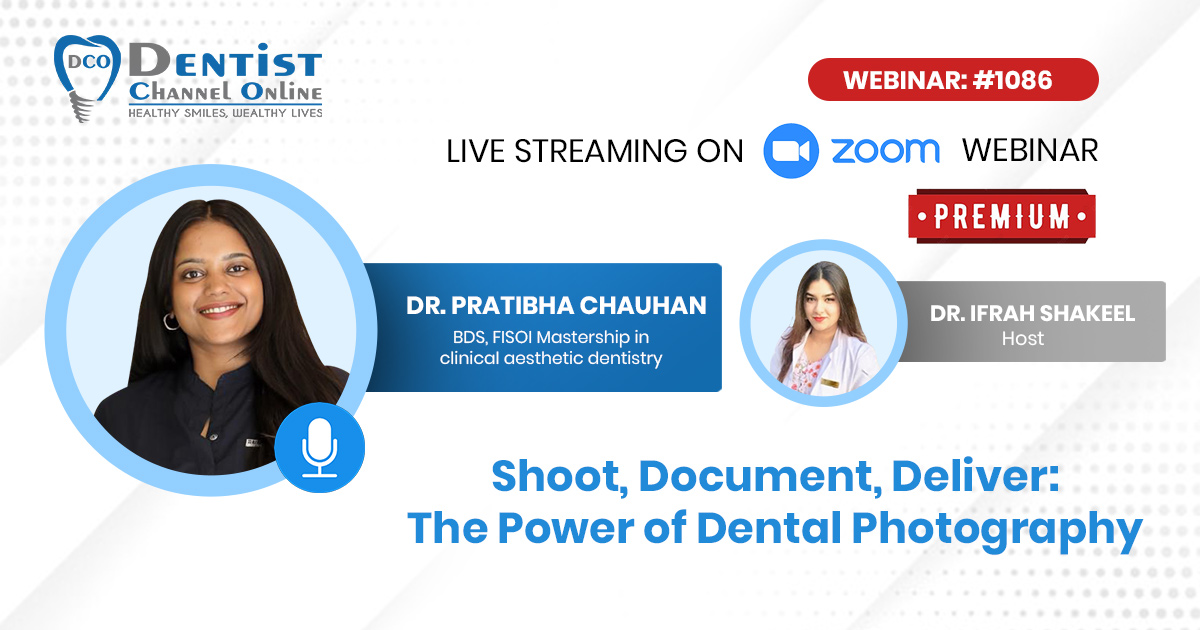
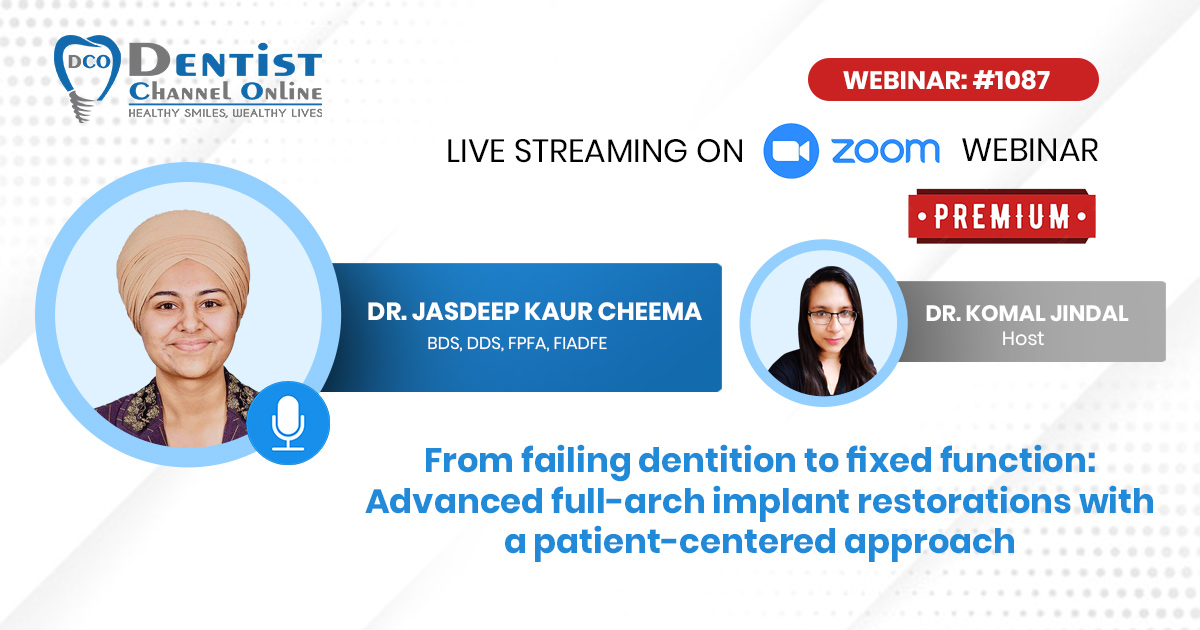
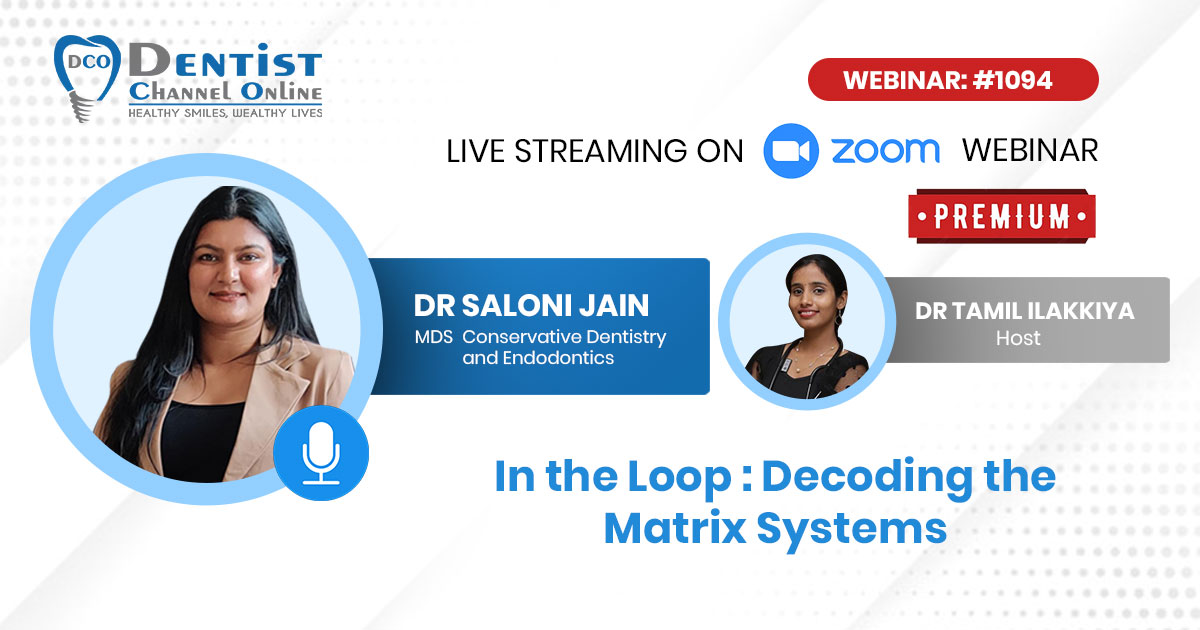
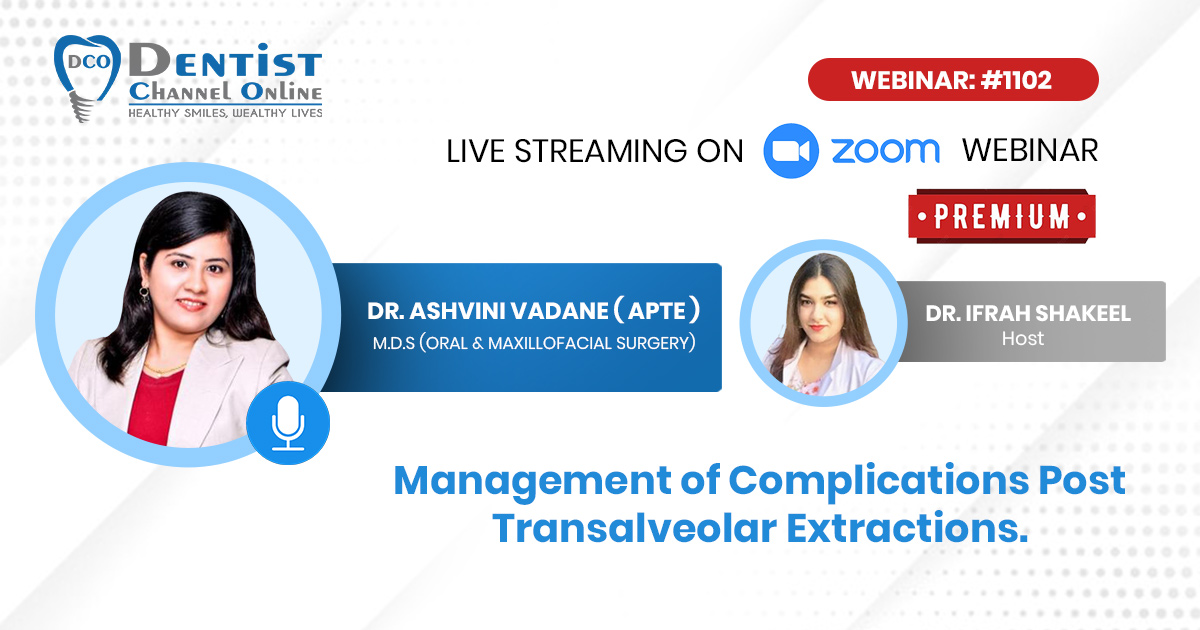
At Dentist Channel Online we provide regular dental articles and dental advertising on the latest and the most recommended topics in dentistry, be sure to check out our latest Dental Articles and Webinars.








Hailey - 8 months ago