
Certificate of participation with 1 CME is available
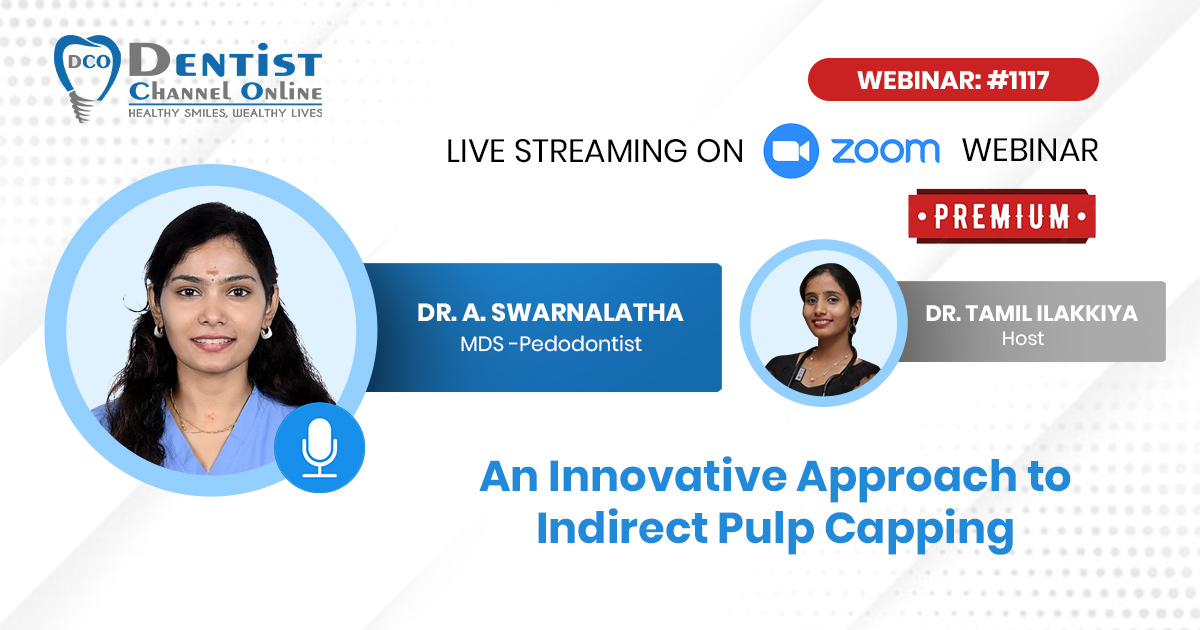
Indirect pulp capping (IPC) is a conservative treatment aimed at maintaining pulp vitality by sealing residual carious dentin and promoting dentin remineralization. Bioactive materials such as Biodentine, mineral trioxide aggregate (MTA), and silver diamine fluoride (SDF) have enhanced the success of IPC. Biodentine and MTA, both calcium silicate–based materials, exhibit excellent biocompatibility, sealing ability, and stimulation of tertiary dentin formation. While MTA is highly effective, its handling difficulty and discoloration are limitations. SDF aids IPC by arresting caries through strong antimicrobial action, making it useful in minimally invasive and pediatric dentistry, despite esthetic staining. Material selection should be based on clinical and patient-related factors.
Biodentine is a calcium silicate–based material with excellent biocompatibility, bioactivity, and dentin-replacement properties. It stimulates tertiary dentin formation and provides an effective seal, making it highly suitable for IPC, especially in pediatric and young permanent teeth. MTA, another calcium silicate–based material, has long been considered the gold standard due to its superior sealing ability, antibacterial properties, and capacity to induce hard tissue formation. However, its limitations include difficult handling characteristics, prolonged setting time, and potential tooth discoloration. Silver diamine fluoride, though not a traditional pulp capping material, plays a significant role in IPC by arresting caries through its potent antimicrobial action and promoting dentin hardening. SDF is particularly advantageous in minimally invasive dentistry and in uncooperative pediatric patients, though esthetic concerns due to black staining remain a major drawback.
Date: 28/01/2026| 07:30 PM IST











Christopher - 9 months ago