
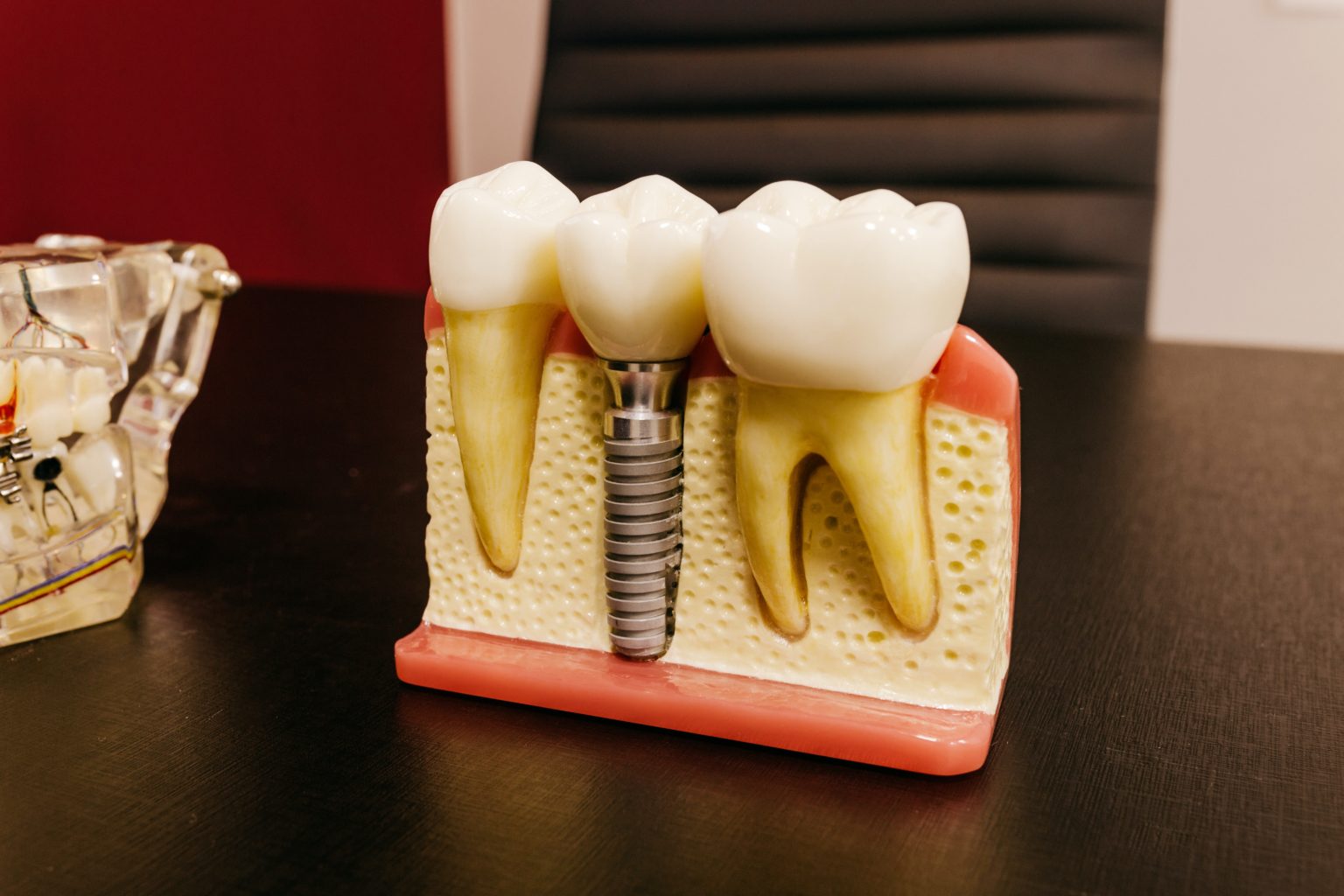
Why pay more for branded dental implants when Generic implants are just as good if not better ?
Quite often people spend heavily on things they could have saved a ton of cash on while still getting the same facility, if they had just gone for that generic option.
The actual reason why this is happening is because, Medical Companies tend to pressurize doctors to promote their own brands, in return for a hefty sum that then leads to inflation in the price of medical products such as implants etc, so a simple set of tablets that costs around Rs.300 in a generic medical store, can cost more than Rs.1500 if it has a branded logo on it.
“Now where did that wallet go, anyway…?”
Let us educate our selves on some of these medical products, and Save our selves from these types of marketing scams.
What are Abutments you ask…?
Well an abutment is a prosthetic component which serves as a connector between an implant and the crown, that is screwed into the implant in order to securely hold the crown in place.
Abutments are most commonly made from titanium, gold, surgical stainless steel, zirconia, ceramic, or polyether. Placing the abutment is actually a minor procedure and is often done with local anesthesia to numb any pain.
What are generic abutments, and why are they better?
Generic abutments are identical to branded abutments with precisely the same dosage, intended use-case, effects, side effects, method of administration, risks, safety, and strength as the branded once, Generic abutments work the same as costlier brand-name products. They have the same active ingredients and the manufacturing and packaging must pass the same quality standards as per the EU Medical device Regulatory board, Generic abutments must meet the same quality, strength, and purity standards as brands, so they have the same benefits and effects. Branded and generic abutments don’t look exactly alike, in color, size, shape, and packaging, but they work the same. Generic implants cost a lot less than brand names.
Types Of Abutments
Titanium Abutments
Titanium is a type of metal often used in dental implants because it is known to fuse well with human bone. It has been used for many decades now, and it is considered to be very durable and lightweight.
⦁ Pros: Higher success rate, they are long-lasting, strong, durable yet lightweight.
⦁ Cons: Some people may have an allergic reaction to titanium in (Very rare case), can interfere with Auto-Immuno-Disease.
Zirconia Abutments
Zirconia abutment is ideal for avoiding the silver titanium showing through the restoration, and chances of it peeking out along the gingival margin. Although zirconia has not been used in implant dentistry as much as titanium, it is still a viable option.
⦁ Pros: Very esthetically pleasing. No known allergic reaction. No visible metal parts exposure. Accumulate less dental plaque compared to titanium.
⦁ Cons: Not as durable as titanium abutments. Not yet proven to last longer than titanium abutments.
UCLA Gold Cast Abutments
The UCLA abutments are a type of abutment, that are offered with a machined base, made out by different metal alloy such as titanium, gold, or chrome cobalt. This type of abutment can be used for single to multi-unit screw retained/cement retained restorations. It may correct angles up to 30 degrees when cast as a custom abutment.
⦁ Pros: Corrosion resistant. Reduced complications with surrounding tissues. Minimize the possibility for irritation and titanium allergic reaction.
⦁ Cons: Time consuming, Cost more due to cost of alloy and labor.
BioHPP Implant Abutment with Lingual Screw
The high-performance polymer BioHPP PEEK or (polyether ether ketone), This innovative material forms the basis for prefabricated and individual abutments, as well as supra structures on both fixed and removable implants. BioHPP material is strong, light weight, and has tooth color for great esthetic.
⦁ Pros: Very light weight. Similar elasticity as bone. Great esthetic. High strength. No corrosion. Low moisture absorption.
⦁ Cons: Time consuming. High cost of production. Complicated.
Angulated Screw Channel (ASC) Implant Abutments
Solve the esthetic challenges faced when screw-retained solutions are placed in the anterior and improve occlusal access in the posterior. The angulated screw channel (ASC) provides the option to place the screw access hole anywhere between 0 and 25 degree angles. This means you can now restore almost any situation with screw-retained restoration and remove known risks associated with excess cement. The angulation allows the use of screw-retained restorations in the esthetic zone by avoiding a buccal screw access point, and the metal adapter.
⦁ Pros: Ability to have screw-retained anterior restoration. Ease of repair, maintenance, cleaning and alterations can be done without damaging the substructure, restoration or implants.
⦁ Cons: Increased treatment costs. Difficulty in retrievability in case of excess cement. Unknown lifespan since this is new technology.
What are implants?
Dental implants are metal fixtures that try to mimic tooth roots, surgically fastened into your jawbone below the gums. These metal implants get anchored to your bone through osseointegration a process where the bone fuses to the metal and provides stability for your dental abutment and your crown, & is on par with an actual tooth.
Generally implants are used for replacing a lost tooth or other personal needs like fashion where people get implants made out of Gold, Silver, or Platinum.
Why buy Generic implants over branded once…?
The costs for branded dental implant procedures in India is ranged between Rs. 30,000, to Rs. 75,000 and the time taken for the treatment is usually a week, this price may vary depending on many factors, like the type of the implant, material or, design of the implant and number of the implants, while the same procedure with Generic Implants Cost around Rs. 7,500, to Rs. 20,000, in India, enabling dentists to treat more patients, meanwhile the patients who are not from a rich background would actually be able to afford these types of implants
What are generic implants?
Generic implants work the same as costlier brand-name products. They have the same active ingredients and the manufacturing and packaging must pass the same quality standards as per the EU Medical device Regulatory board, Generic implants must meet the same quality, strength, and purity standards as brands, so they have the same benefits and effects, Brands and generics don’t look exactly alike, in color, size, shape, or packaging, but they work the same. Generic implants cost a lot less than brand names.
Types of Dental Implants
Endosteal implants
For you to have an endosteal implant you need to have a healthy jawbone for the implant to fit in. screw-like placeholders are put in the jaw for the fake teeth to fit, which takes some time to heal after which the implant is placed to line with other teeth.
Subperiosteal implants
It is an alternative to endosteal, where the implant is placed on the bone and under the gum instead of posting them in the jawbone. The patient is placed with a metal frame under the gum. After healing the implant is put in the poles from the gum. They are suitable for people who don’t want to go through oral surgery or have less jawbone.
Zygomatic implants
They are so unpopular and the procedure is complicated. Only done to patients without enough jawbone. The implant is attached to the cheekbone instead of the jawbone.
Implant Stent
An Implant stent is a Surgical-Guide used for radiographic evaluation during treatment when planning for implant placement and during surgical procedures to locate the optimal site for implant placement.
⦁ Pros: Ability to locate accurate implant site. Controls the osteotomy in precise accordance with the pre-planned position for the implant, helps control the depth and angulation of the implant.
⦁ Cons: Issues regarding responsibility, if implant stents are miss-fabricated.








Hailey - 8 months ago