
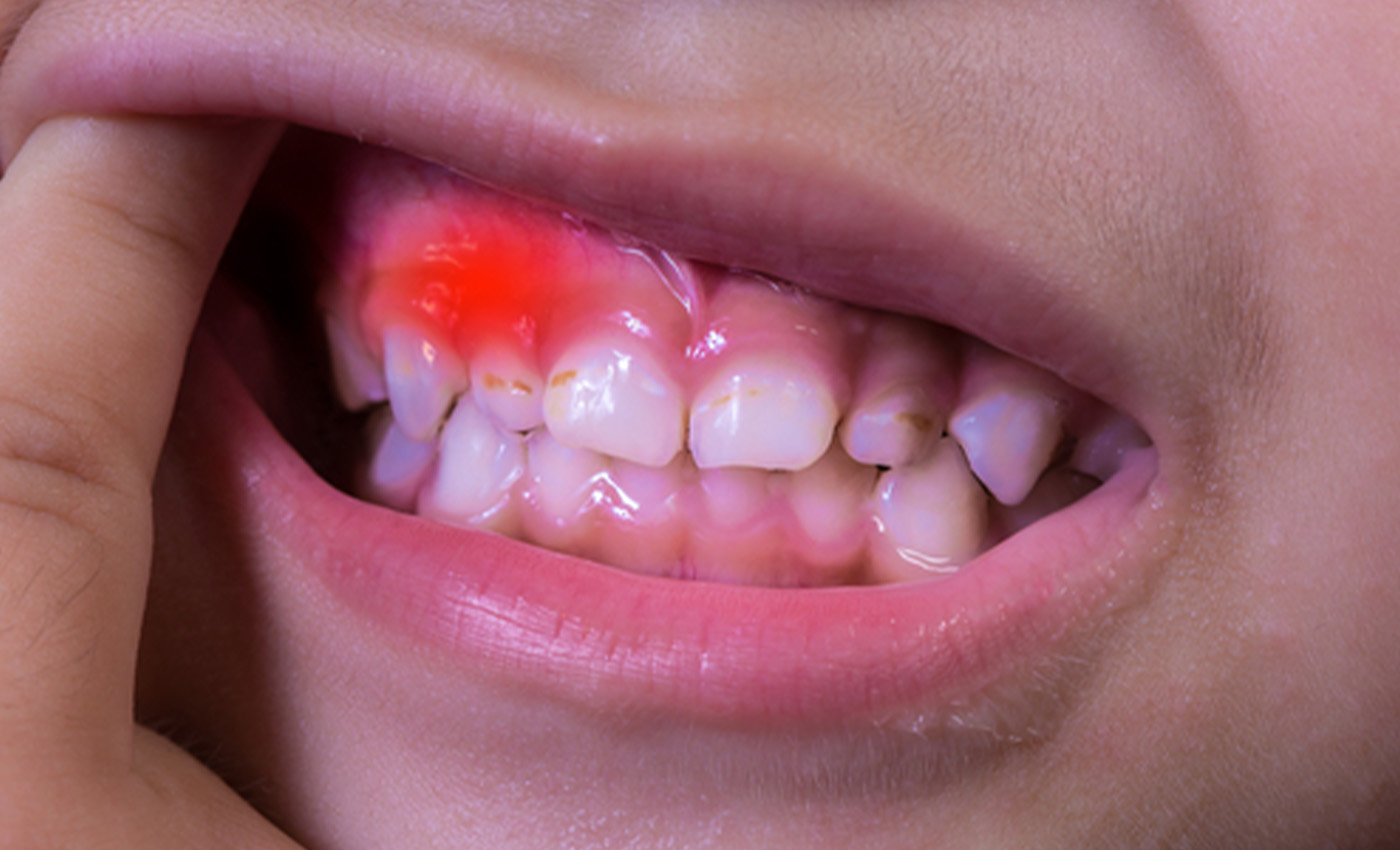
Why does Gingivitis occur in younger children?
Introduction:
Do you notice swelling or redness around your child’s teeth and gums when they clean, or does your child complain of soreness and sensitivity? Do they spit out a little blood as they rinse after brushing? These symptoms may indicate Gingivitis. Gingivitis is caused by plaque that collects along the gum line and between the teeth.
Plaque that remains on the teeth after brushing hardens on the tooth surface and hardens into tartar, according to The Mayo Clinic. Tartar is a hard substance that collects bacteria that can only be extracted by a dentist. If tartar and plaque remain on your child’s teeth, they will irritate the gum tissue around his or her teeth, causing bleeding and swelling, all of which are symptoms of Gingivitis.
Why should you not neglect your child’s oral health?
Teens and young children are more likely to develop periodontal disease as a result of hormonal changes associated with puberty. Increased blood supply to the gums is caused by an increase in hormones such as progesterone and possibly oestrogen during puberty. This may increase gum sensitivity, resulting in a stronger reaction to any discomfort, such as food particles and plaque. The gums can swell, turn red, and feel tender throughout this period. The propensity for a teen’s gums to swell in response to irritants will diminish as he or she progresses through puberty. During puberty, however, it is important to maintain a good at-home oral hygiene routine, which includes daily brushing and flossing as well as regular dental treatment. Periodontal treatment may be recommended by a dentist in some cases to help avoid damage to the tissues and bone that surround the teeth.
Advice for Parents:
The importance of early detection in the treatment of periodontal diseases cannot be overstated. As a result, it’s important that children have a thorough periodontal examination as part of their regular dental appointments. Keep in mind that if your child has advanced periodontal disease, it may be a sign of systemic disease.
For children with serious periodontitis, particularly if it appears to be resistant to treatment, a general medical examination should be considered.
Establishing healthy oral health habits for your child is the most crucial step in preventing periodontal disease. There are some simple preventive measures you may take to help your child’s oral health:
Early on, instill healthy oral hygiene habits. When your child is 12 months old, you will start brushing his or her teeth with toothpaste. Flossing can begin when the gaps between your child’s teeth close.
By maintaining good dental hygiene habits, you will set a good example for your children.
Schedule family dental check-ups, periodontal examinations, and cleanings on a regular basis.
Examine the child’s mouth for symptoms of periodontal disease, such as bleeding gums, swollen and bright red gums, receding gums away from the teeth, and bad breath.
Adding Moisture to a Dry Mouth
Gums around the upper teeth will bleed due to a dry mouth. Dry mouth and bleeding gums may grow in children who have blocked nasal passages or who breathe through their mouths often or while sleeping. Since there isn’t enough saliva, bacteria will develop and flourish, leading to Gingivitis.
Applying a thin layer of petroleum jelly to the lips and gums at night, as well as drinking a glass of water, helps to keep the mouth moist.
Gums should return to their usual pink color in a matter of weeks, if not days, with proper home treatment. However, if a better diet and good oral hygiene don’t help the children’s Gingivitis, you should see a dentist. They will talk about the problem, rule out more serious causes, and suggest the best course of action.
FINAL NOTE:
It can seem difficult to learn how to treat Gingivitis in toddlers and infants. Even it all boils down to teaching your child about the dangers of plaque accumulation, how to practice good oral hygiene, eat nutritious foods, and have daily dental cleanings. Continue to focus on developing good oral hygiene habits until your child’s gums are firm and stable again. The best practice is to regularly visit a dentist. A pediatric dentist is a specialist dentist who treats all kinds of dental problems in children. At least take your child to a dentist once every six months to avoid any major complications.












Hailey - 9 months ago