
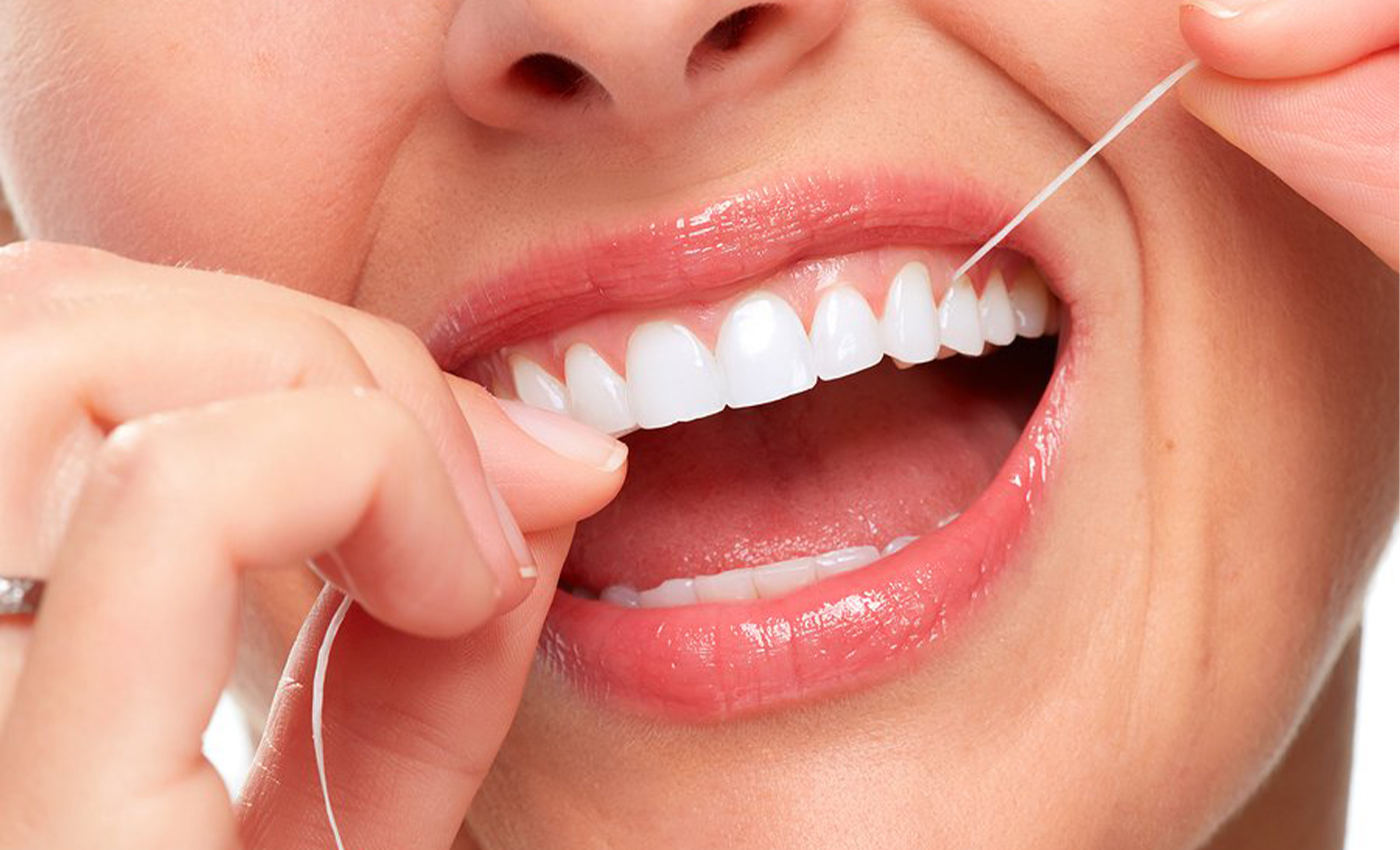
Why is Flossing the most important Activity?
What is Flossing?
Flossing is a crucial dental hygiene practice. It cleans and dislodges food lodged between your teeth, lowering bacteria and plaque levels in your mouth. Plaque is a sticky coating that forms on teeth, leading to cavities and gum disease.
Although most individuals clean their teeth twice a day, not everyone flosses as often as they brush. According to a national poll, around two out of ten Indians floss at least once a day, and twenty percent never floss at all.
Flossing alone, of course, isn’t sufficient. Correct flossing is critical. Flossing your teeth and gums incorrectly might cause damage. If you’re not sure how to floss correctly, here’s a step-by-step tutorial.
What are the procedures for flossing?
To floss your teeth properly, follow this step-by-step tutorial.
Instructions for flossing
Take around 18 to 24 inches of dental floss and cut it off. To properly handle the floss, wrap the majority of it around both of your middle fingers. Only around 1 to 2 inches of floss should be left between your teeth.
With your thumbs and index fingers, pull the floss taut.
Placing the dental floss between two teeth is a good idea. Gently move the floss up and down each tooth, pressing it against both surfaces. Glide the floss between your teeth rather than into your gums. Your gums may be scratched or bruised as a result of this.
Curl the floss at the tooth base to produce a C shape as it reaches your gums. This makes it possible for the floss to get between your gums and your teeth.
As you travel from tooth to tooth, repeat the instructions. Use a new, clean section of floss for each tooth.
What is the best method for flossing when wearing braces?
Flossing with braces is more complex and time-consuming than flossing without braces. Give yourself 10 to 15 minutes to floss your teeth if you’re using ordinary floss.
Choose waxed floss for this procedure, as it is less likely to tear and become stuck in your braces.
Instructions for flossing braces
Take around 18 to 24 lengths of waxed dental floss and cut it off.
Ensure the floss is going where you want it to go by standing in front of a mirror.
Thread the floss between your teeth and the primary wire to begin. To make it easier to move the floss around, wrap the loose ends around your index fingers.
As softly as possible, press the floss between the two teeth. Then, using the floss, slide it up and down both sides of the teeth.
Make an upside-down U with the floss when flossing your top teeth. To do so, run your finger up the side of one tooth until it reaches the gum line. Then, using the floss, run it down the side of the opposite tooth.
Remove the floss gently from behind the wire and slowly unthread it. It would be best if you did not pop the floss out of your teeth because you can dislodge a wire.
Continue flossing between your teeth with the same technique until you’ve flossed between all of your teeth.
Using a Waterpik, a type of water flosser, or a floss threader, a little gadget that helps you thread floss beneath your braces, instead of waxed floss, is another alternative for flossing with braces. When flossing, both can help you save time.
When is it appropriate to floss?
Knowing when to floss is also essential for optimal dental health. Brushing your teeth first and flossing second is a common practice for some people. Flossing and brushing your teeth is, nevertheless, generally suggested. Brushing removes these particles from your mouth, while flossing helps lift and release food and plaque lodged between your teeth. Food and plaque remain in your mouth until the next time you brush, if you brush first and floss afterward. Flossing at least once a day and brushing twice a day are recommended.
Dental floss comes in many different varieties.
Dental floss comes in a variety of colors and styles. The ideal floss for you is determined by your tastes, the amount of space between your teeth, and whether or not you wear braces or bridges. Some varieties of dental floss are simpler to use in larger spaces, while others are simpler to use in smaller places.
Dental floss comes in a variety of forms, including:
Tape for your teeth. If you have braces, gaps, or huge spaces between your teeth, this type of dental floss is wide and flat like a ribbon, making it easier to manage.
Typical/ Standard floss. This is a very thin nylon strand that can be inserted between the teeth. It’s available flavored or unflavored, waxed, or unwaxed.
Dental floss with a wax covering can help you get in between your teeth if they’re crowded or close together.
Flossing superstars with braces, bridges, and gaps, this dental floss threader can help. It’s made up of three parts: a stiffened end for flossing underneath equipment, spongy floss for cleaning around appliances, and ordinary floss for removing plaque beneath the gum line.
Other flossing aids to make flossing more convenient
Other flossing aids, such as dental tape, waxed floss, and floss threaders, can make flossing more accessible and faster. Using an electric flosser or a water flosser, which removes plaque and food from between teeth using water and pressure, is one method. If you have problems using traditional floss, both of these products are excellent choices. If you have braces, a water flosser is very helpful. Cleaning in between brackets and cables is possible with this gadget. Disposable floss picks are another alternative. They’re simple to use and can assist you in flossing difficult-to-reach teeth in the rear of your mouth.
Conclusion:
Brushing your teeth is only one aspect of good oral hygiene. It also entails flossing and understanding how to floss appropriately. Flossing removes germs, plaque, and food particles from between your teeth, lowering your risk of dental decay and gum disease. Make sure you get regular dental cleanings at least twice a year, in addition to brushing and flossing.











Hailey - 8 months ago