
 Dentist Channel Online
Step by Step Guide to Fixing Dental Cavities
Introduction
You may be afraid of going to the dentist because you are afraid of hearing the dreaded words, “you have a cavity.” You already know that the dentist will recommend a filling to repair the cavity. But do you really understand what it means to have a cavity, how the dentist fills the cavity with a filling, or what a filling is? We’ll go over how to fill a cavity and what a filling is below.
We hope that learning how fillings work will put you at ease and alleviate some of your fear and anxiety.
What exactly is a dental cavity?
A dental cavity is a hole that is formed when bacteria destroy a portion of a tooth. The bacteria that caused the hole are still present in the cavity. If the cavity is not treated, the disease will worsen, and infection will occur (spread of the infection further leading to damage of the tooth and the infection possibly entering the bloodstream). As a result, tooth decay removal is required.
Why do I require a filling to repair a dental cavity?
As tooth decay progresses deeper into the tooth, it frequently causes tooth sensitivity. It may progress to eventually expose the inner nerves and jeopardize the structural integrity of the tooth. This could become a source of ongoing infection and inflammation. As a result, the dentist must remove the decay as soon as possible to prevent it from spreading.
Even after the decay is removed, the tooth still has a hole that will cause problems unless a filling is placed.
What is the procedure for dental fillings?
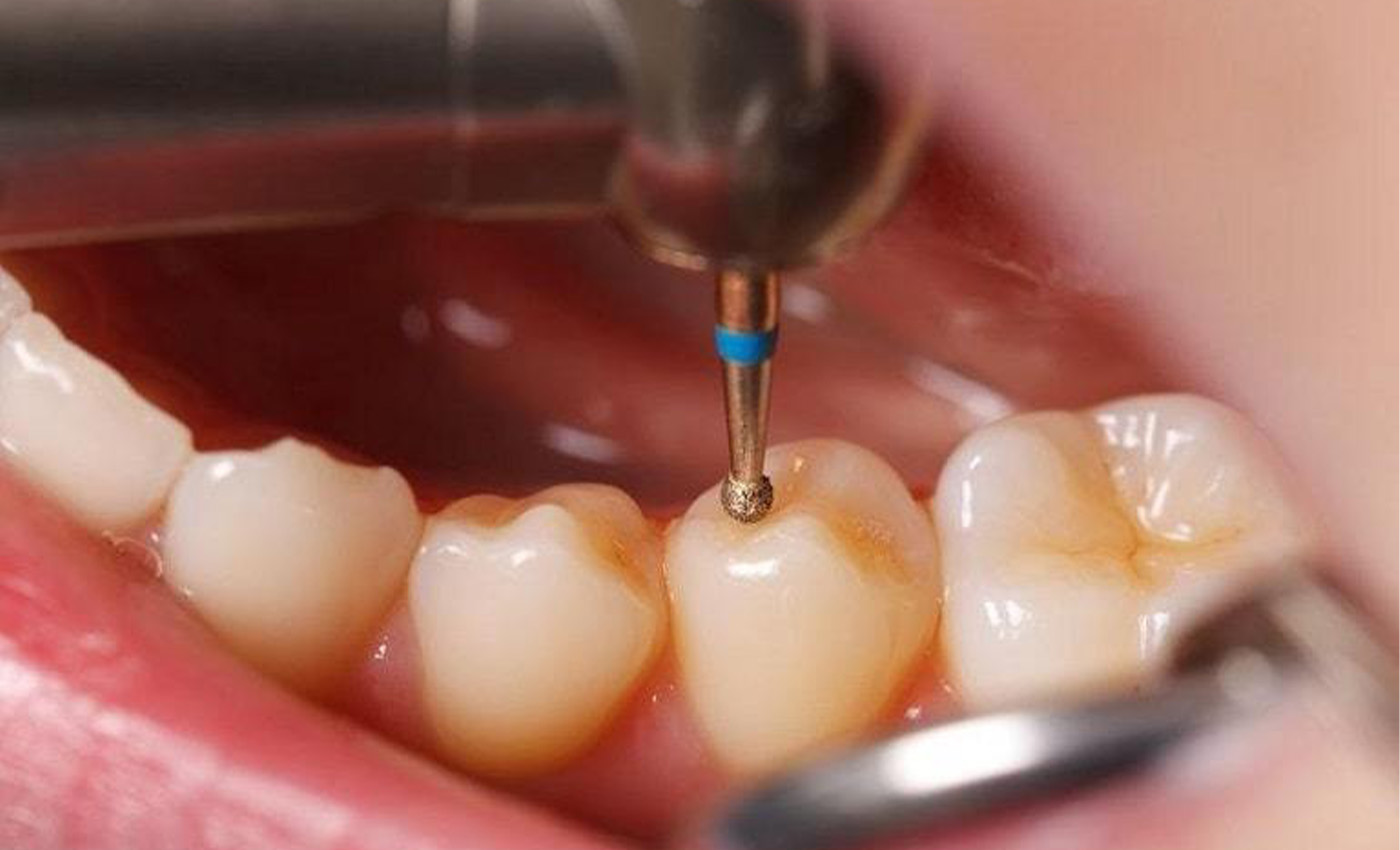
The decay inside the cavity is removed by the dentist during the dental filling procedure. This is accomplished through the use of a drill. Removing the decay protects the tooth from further damage. The decayed part of the tooth is then filled with a filling, which replaces the part of the tooth that was destroyed by the decay.
What exactly are the steps for getting a filling?
First, the dentist will administer a local anesthetic to numb the area around the decayed tooth or teeth to be treated. The anesthetic numbs the gums and jaw around the teeth as well. The dentist then removes the decay from the affected tooth with a drill.
The dentist prepares the tooth for filling after removing the decay.
The method used to insert the filling is determined by the filling (either composite, or silver amalgam, or glass ionemer fillings).
What kinds of fillings are available?
Most modern dentists use composite resin dental fillings. Silver amalgam and glass ionomer fillings are still widely used by dentists. The filling material is moulded by the dentist to match the shape of the surrounding tooth. This helps to restore the tooth’s strength and integrity while also preventing bacteria and decay from re-entering.
The filling’s purpose is to restore the tooth’s health and function. If you want the best cosmetic/aesthetic appearance, the quality of your filling and the work being done becomes extremely important.
What are amalgams? Do they have any benefits?
Amalgam is a metal alloy composed of silver, tin, and mercury. These amalgam fillings are most likely what comes to mind when you think of metal fillings in the mouth. They are less expensive, but they are more durable and long-lasting, and they are easier to place than composite resin fillings. However, they do not appear natural.
It is always recommended that you see your dentist once every 6 months for dental check-up/hygiene so that your dentist can monitor for any signs and symptoms. We strongly advise you to brush twice a day and floss once a day to avoid cavities. Don’t forget to a use a good quality mouth wash to rinse twice for 30 seconds after brushing your teeth.














Hailey - 8 months ago