
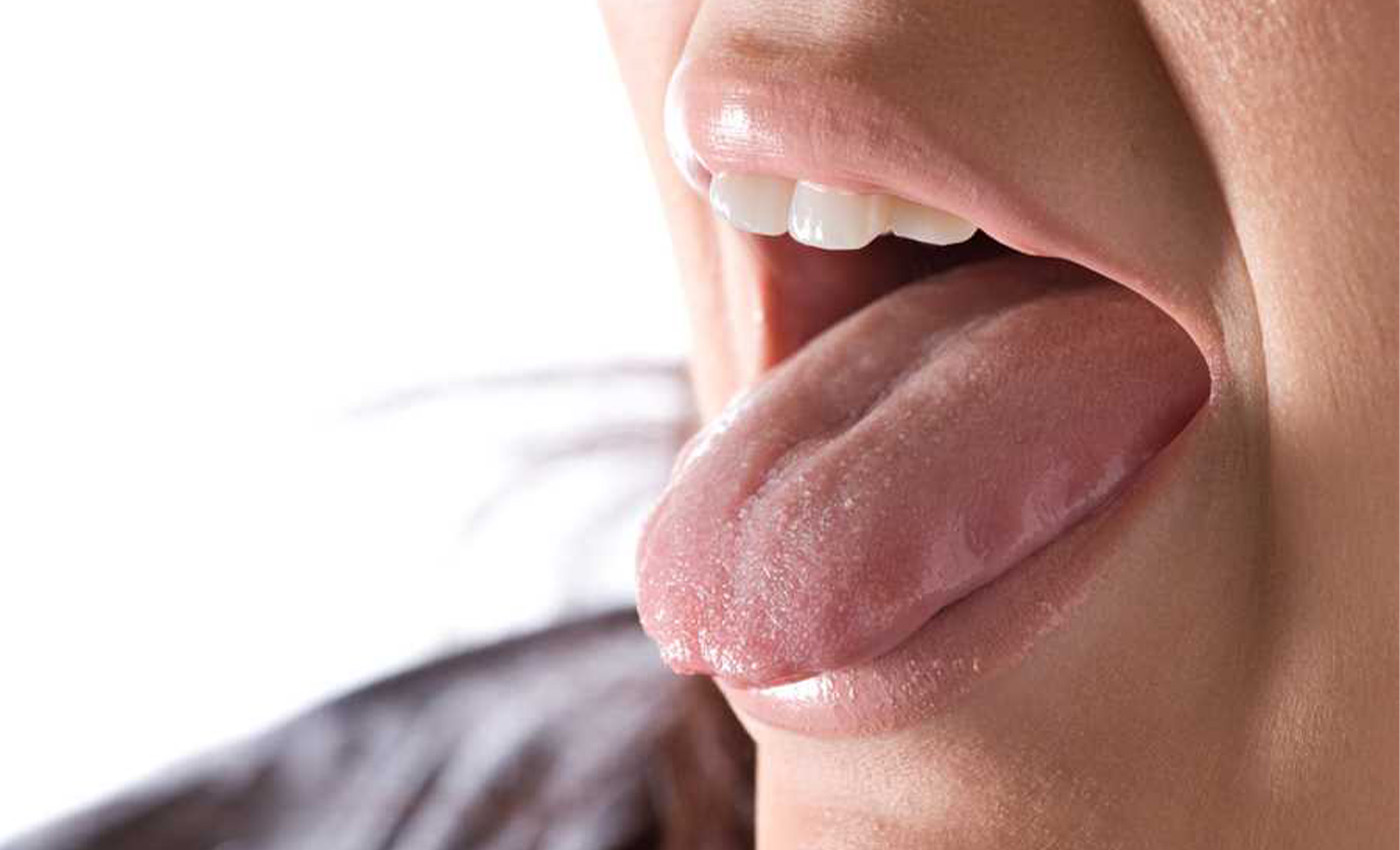
Dry Mouth: Is it just a dry threat or worse?
What is Dry Mouth?
Dry mouth, also commonly known as Xerostomia, is a condition in which the salivary glands simply are unable to produce enough saliva to keep your mouth moist. Dry mouth is a rather common side effect of some drugs and aging problems, and cancer radiation therapy. Dry mouth is most often affected by a disease that affects the salivary glands directly. Dry mouth affects about 10% of the population and is more common in women than in men. Saliva output problems are most common in the elderly and others who take prescription and non-prescription drugs.
What Causes Dry Mouth and How Can It Be Prevented?
Dry mouth can be caused by a variety of factors, including:
Certain drugs have side effects.
Dry mouth is a common side effect of many prescription and over-the-counter medications, including those used to treat diseases like depression, anxiety, pain, allergies, and colds (antihistamines), obesity, acne, epilepsy, hypertension (diuretics), diarrhea, nausea, asthma (certain bronchodilators), and Parkinson’s disease. It’s also possible that dry mouth is a side effect.
Specific medical procedures have unintended consequences. Damage to the salivary glands, which perform the task of producing saliva, may result in less saliva being released. Radiation to the head and neck, as well as chemotherapy treatments for cancer, may cause damage.
Harm to the nerves. Nerve damage to the head and/or neck area due to an accident or surgery may cause dry mouth.
Dehydration is a common ailment. Dry mouth may be caused by dehydration-causing conditions such as fever, excessive sweating, vomiting, diarrhea, blood loss, and burns.
Salivary glands are surgically removed.
The way of life. Smoking or chewing tobacco may reduce the amount of saliva produced, aggravating dry mouth. Breathing heavily with your mouth open can also exacerbate the issue.
Common symptoms associated with Dry Mouth:
In the mouth, there is a sticky, dry sensation.
Excessive thirst on a regular basis
Sores in the mouth; sores or broken skin around the mouth’s corners; lips that have been broken
A sense of dryness in the throat
In the mouth, there is a burning or tingling sensation, particularly on the tongue.
A tongue that is dry, red, and raw.
Speaking difficulties, as well as difficulty tasting, chewing and swallowing
What Causes Dry Mouth and Why Is It a Problem?
In addition to the list of symptoms mentioned above, dry mouth can also increase your risk of tooth decay, gingivitis (gum disease), and mouth infections like thrush. Dentures can be challenging to wear if you have a dry mouth.
What Is the Treatment for Dry Mouth?
The most efficient way to treat dry mouth is to figure out what’s causing it in the first place. Treatment usually focuses on three areas:
Taking care of other medical issues
Tooth decay prevention
If necessary, try to increase the flow of saliva.
Managing Dry Mouth Causes
Consult your doctor if you suspect that a drug you’re taking is causing your dry mouth. Your doctor can change your medication or move you to one that doesn’t trigger dry mouth.
If the medical condition that is causing the dry mouth can’t be reversed — for example, if the salivary gland has been affected or is a consequence of a disease, such as Sjögren’s syndrome, Alzheimer’s disease, or stroke — care will focus on ways to improve saliva flow.
Dry Mouth and Tooth Decay Prevention
Saliva not only aids digestion and allows you to chew and swallow, but it also acts as a natural mouth cleanser. Tooth decay and gum disease are a lot more likely to occur if you don’t have enough saliva. To prevent tooth decay and the aforementioned diseases if you have a dry mouth, you must be extra vigilant to practice good oral hygiene habits, which include:
Brushing your teeth at least twice a day (preferably more frequently), after and meal, and before going to bed
Flossing your teeth one to two times a day
Using a fluoride-containing toothpaste
Visiting your dentist at least twice a year for a checkup and cleaning; your dentist may suggest using a fluoride rinse or gel regularly to keep your teeth safe.
Increasing Saliva Flow When You Have a Dry Mouth
If you have a dry mouth, your doctor can recommend an oral rinse to help you rehydrate your mouth. These items are available over the counter as a rinse or spray. Ask your dentist or doctor about specific kinds of toothpaste, mouthwashes, and moisturizing gels for dry mouth. If that doesn’t work, they can prescribe Salagen, a medication that increases saliva production. Evoxac, a prescription drug, has been approved by the FDA to treat dry mouth in people with Sjögren’s syndrome, an autoimmune condition that causes dry eyes, dry mouth, dry skin, and muscle pain.
Finally, experimental therapies that seem to be promising are being investigated. Scientists are designing an artificial salivary gland that can be inserted into the body and work on ways to restore damaged salivary glands.
When should you see a doctor?
Make an appointment with your doctor as soon as possible if you’ve been experiencing chronic dry mouth symptoms.
What Should I Do If My Mouth Is Dry?
You may also try the following methods to increase saliva flow:
Chew sugar-free gum, preferably with xylitol, or eat sugar-free sweets. Lemon, for example, is acidic and can soften teeth. Snack on sugar-free ice chips or ice pops. Ice should never be chewed because it can damage your teeth—these acts of sucking and chewing help induce saliva flow.
To keep your mouth moist and loosen up mucus, drink plenty of water. Carry water with you during the day to sip on, and take it in your bed at night.
Brush with fluoride toothpaste, rinse with fluoride, and see the dentist regularly. Commercial mouthwashes and mouth rinses containing alcohol or peroxide should be avoided. These ingredients will dry out your mouth even more.
As much as possible, breathe through your nose rather than your mouth.
To add moisture to the air in your bedroom, use a room vaporizer.
Use a commercially available artificial saliva substitute.
Broths, soups, sauces, gravy, creams, and butter or margarine may be used to moisten foods. Consume cool or room temperature light, moist foods.
Salty snacks, dry foods (like crackers, toast, cookies, dry bread, dry meats/poultry/fish, dried fruit, and bananas), and high-sugar foods and drinks should be avoided.
Avoid alcoholic and caffeine-containing beverages (like coffees, teas, some colas, and chocolate-containing drinks). Alcohol causes excessive urination, which causes water loss. Caffeine, like alcohol, even dries out the mouth.
Stop acidic drinks such as orange, apple, peach, and grapefruit juices, as well as tomato juice.
To relieve the discomfort caused by dry mouth, try the following:
Spicy or salty foods should be avoided if you have a dry mouth.
Stop smoking.
Lips should be moisturized.
Clean your teeth and gums with a soft-bristled toothbrush, and rinse your mouth with regular water or a mild mouth rinse (8 ounces water, 12 teaspoon salt, and 12 teaspoon baking soda) before and after meals.












Hailey - 8 months ago