
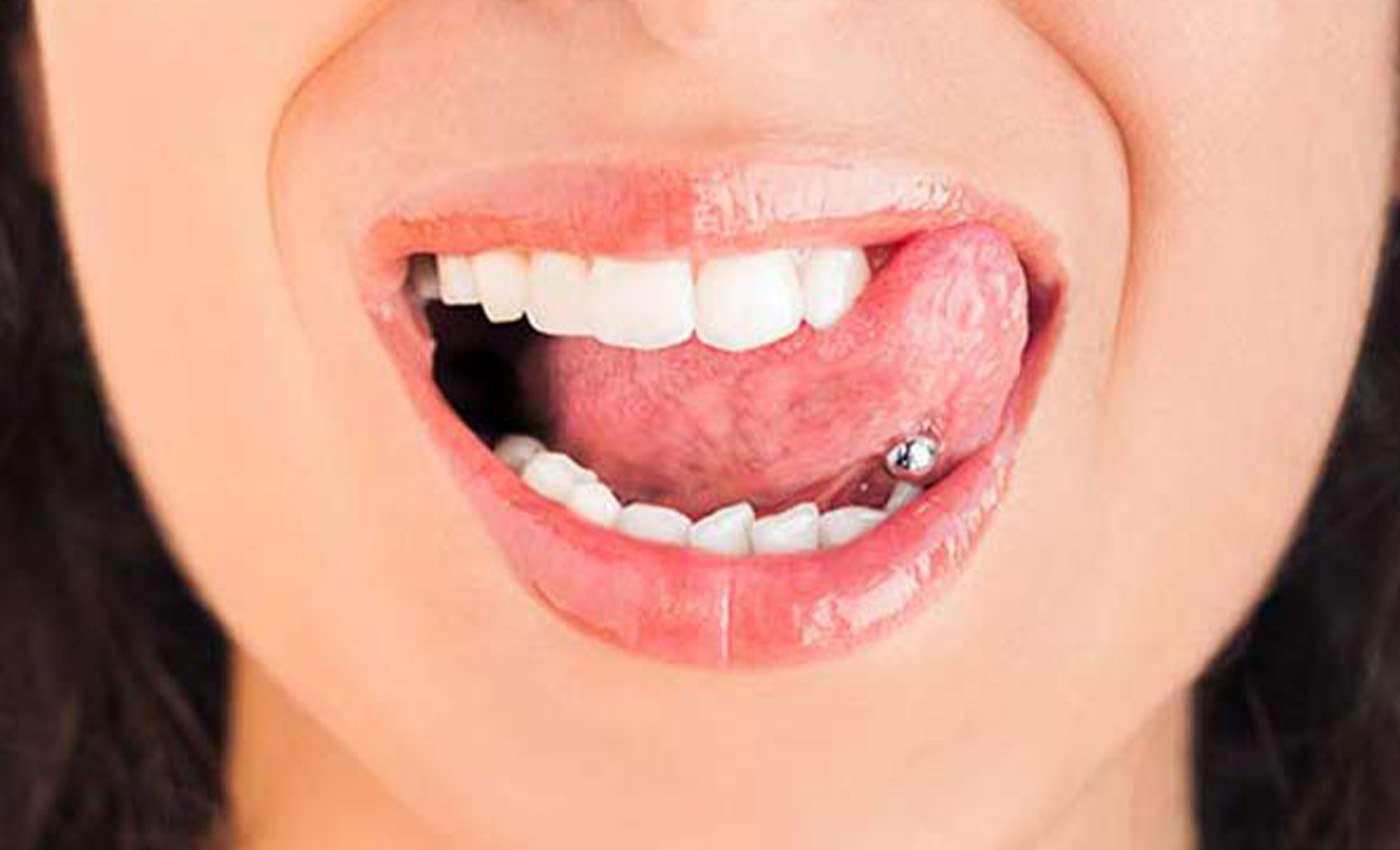
Why you must never opt for an Oral Piercing?
Oral Piercings: What Are They?
A tongue, lip, cheek, or uvula (the tiny tissue that hangs at the back of your throat) piercing is a small hole in your tongue, lip, cheek, or uvula (the little tissue that hangs in the back of your throat) where you can wear jewelry.
Types of Oral Piercings:
You may have a piercing on the inside of your mouth (intraoral) or the outside of your mouth (extraoral) (perioral).
The following are some examples of common locations:
Tongue
Frenum (tissue that connects your lips or tongue to your gums or floor of your mouth)
Lip
Cheek
Uvula (tissue that hangs in the back of your throat)
Risks and complications involved with oral piercings:
It’s a way to show off your style, but it’s also risky. Bacteria are present in your mouth, which can cause inflammation and swelling. Breathing can be difficult if the tongue is swollen. Bacteria may cause a condition that damages the heart valves in certain people with heart disease.
Bleeding may also occur as a result of tongue piercings. There are numerous blood vessels in your town.
The jewellery may also be problematic. It has the potential to break off in your mouth and suffocate you. You can eat, sleep, chat, or chew on it while chipping your teeth on it. If the break is deep enough, you can lose the tooth or need a root canal to repair it.
Oral Piercings also might:
Make it difficult to talk, eat or swallow.
You could hurt your lips, gums, or fillings.
Drool-inducing
Make it difficult for your dentist to take a dental X-ray.
Gum disease, excessive bleeding, a long-term infection, hepatitis B, and hepatitis C are just a few of the severe health issues that can result.
As a result, the metal in the jewelry causes an allergic reaction.
Damage to the nerves in your tongue, which is usually temporary but can last for a long time.
People with disabilities often times make it difficult for the piercing to heal are especially vulnerable to health complications. Heart disease, asthma, haemophilia, and autoimmune disorders are among them.
Oral piercing precautions:
If you do opt to have an oral piercing, make sure you’re up to date on hepatitis B and tetanus vaccinations.
Aftercare for your Oral Piercing:
After you leave the store, make sure your piercing heals well and does not get infected. It essentially takes 3 to 4 weeks for the body to heal. It would be best if you did the following during that time:
After every meal or snack, and before going to bed, rinse your tongue or lip piercing. Use warm salt water or an alcohol-free antibacterial mouthwash.
Consume nutritious foods in small portions.
Be patient with yourself. Talk slowly and chew slowly, and avoid clicking your jewellery against your teeth.
To avoid swallowing or choking, check to see if your jewellery is still tight now and then.
Wear a mouthguard and remove your jewellery when participating in sports.
You should be able to comfortably remove or replace the jewellery for brief periods as the piercing heals without the hole closing. If you have your tongue pierced, the piercer will begin with a more giant “barbell” to allow your tongue to recover as it swells. After the swelling has subsided, dentists suggest replacing the big barbell with a smaller one that will do more minor damage to the teeth.
When your tongue has healed, remove the jewellery and brush it as you would your teeth every night. It’s a good idea to let it out before going to sleep or doing something strenuous.
When do you see a doctor?
Short-term signs include discomfort, swelling, and excessive saliva.
To avoid any trouble make sure to keep an eye out for symptoms of infection, such as:
Swelling and redness
Discharge with a lot of bleeding
A foul odor
Fever with rash
If you do show any of these symptoms or the piercing causes discomfort visit your doctor at once. Often, seek assistance if you have a nagging feeling that something isn’t quite right.
FINAL NOTE:
The tongue is the most important element in the human mouth. It is the reason why you are able to savour delicious food and keep craving about it. Any oral piercings will result to a loss of taste and discomfort in eating. If you wish to go for a body piercing you are advised to do so anywhere, except your tongue, lip and any other place orally.













Hailey - 9 months ago