
• Dentist Channel Online Dentist Channel Online
  • 1 April, 2022

Dental Wax - Classification and Properties

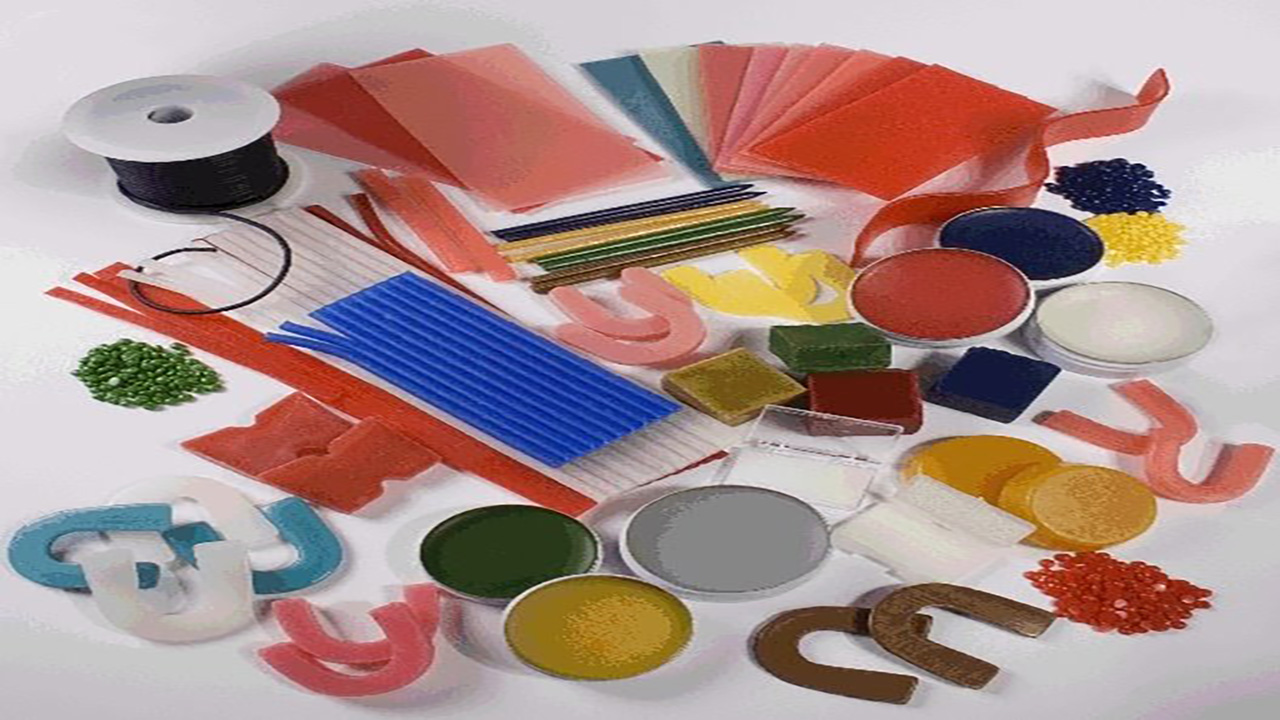
During construction of a denture and many other appliances, wax is used as a modeling material. Different types of waxes are used to prepare patterns for alloy castings. There are many varieties of waxes used, both in clinic and laboratory. Each has particular properties depending on what is it used for. 

Dental waxes contain natural waxes, synthetic waxes and additives. 

Classification of dental waxes 

According to origin 

  • Mineral 
  • Plant 
  • Insect 
  • Animal 

According to use 

Pattern waxes 

  • Inlay casting 
  • RPD casting 
  • Base plate 

Processing waxes 

  • Boxing 
  • Utility 
  • Sticky 
  • Carding 
  • Shellac 

Impression waxes 

  • Corrective  
  • Bite registration  

According to ISO Classification 

Type 1 (Casting wax) 

  • Class 1 - Soft 
  • Class 2 - Hard 

Type 2 (Baseplate wax) 

  • Class 1 - Soft 
  • Class 2 - Hard 
  • Class 3 - Extra hard 

General properties of wax 

Melting range 

Waxes have melting range than melting point. 

Thermal expansion 

Waxes expand when subjected to a rise in temperature and contract as the temperature is decreased. 

Mechanical properties 

The elastic modulus, proportional limit and compressive strength of waxes are low compared to other dental materials. These properties are strongly dependent on the temperature.  

Flow

Important especially in inlay waxes. When melted, the wax should flow readily into all the parts of the die. Flow is dependent on:

  • Temperature of the wax 
  • Force applied 
  • The length of time the force is applied 

Residual stress

The stress may be compressive or tensile in nature. 

Ductility

Like flow, the ductility increases increases as the the temperature of the wax is increased. In general, waxes with low melting points  have greater ductility than those with high melting points. 

Wax distortion is the most serious problem inlay wax. It is due to release of stresses in the pattern caused due to 

  • Contraction on cooling 
  • Occluded gas bubbles 
  • Change of shape of the wax during molding 
  • From manipulation – carving, pooling, removal etc. 

The amount of residual stress is dependent on the method of forming the pattern, its handling and length of time and temperature of storage of the wax pattern.  


Article by Dr. Siri P. B.

Categories:
Tags :
Comments :
Hailey Avatar
Hailey - 1 year ago
My name is Hailey Garcia and I am from New Jersey. My herpes virus turned to war after 2 years of living with it. I have tried different medical procedures to cure my herpes but to no avail. Most people think herpes is only a minor skin irritation of which herpes has long term effects on health and passes through the bloodstream and can be easily contracted through sexual intercourse. I knew I had herpes from the first day I started feeling itchy in my pubic area and the pain was very unbearable. I couldn't stand it anymore. After 2 years of trying other means to get rid of it, I had to contact Doctor Odunga to help me with a permanent cure. I saw his email and whats-app number from a testimony I read online from a lady who was also helped by him in curing infertility problems, I had faith and contacted him. He assured me of his work and I ordered his herbal medicine. Within 5 days, I didn't feel any pain anymore and within 2 weeks, my skin was all cleared and smooth. I am very grateful to you sir and I write this testimony as others have done to bring those having faith to you sir. If you have herpes or other similar disease and you want it cured, kindly contact Doctor Odunga, Whats-App (wa.me/+2348167159012) OR Email [email protected]

Authentication required

You must log in to post a comment.

Log in

Upcoming webinars:

  • 25 April,2026
Timing is Everything: Early diagnosis and prevention of malocclusion and Dentofacial abnormalities in children.

Webinar on early diagnosis & prevention of malocclusion & dentofacial abnormalities in children for better long-term oral development.

  • 29 April,2026
Geriatric Dentistry simplified with Diode Lasers

A practical webinar on simplifying geriatric dental care using diode lasers for minimally invasive, efficient, and patient-friendly clinical outcomes.

  • 30 April,2026
Clinical Periodontology: Decision-Making with a Periodontist’s Mindset

A webinar on clinical decision-making in periodontology using a periodontist’s diagnostic and treatment planning approach.

  • 6 May,2026
AI-Assisted, Human-Powered: The Future of Precision Periodontics

Explore how AI-powered insights combined with human expertise are revolutionizing precision, diagnostics, and personalized treatment in modern periodontics.

  • 9 May,2026
Full Mouth Rehabilitation: From Diagnosis to Predictable Outcomes

A comprehensive webinar on full mouth rehabilitation focusing on diagnosis, case selection, and achieving predictable functional and esthetic outcomes.

  • 13 May,2026
Implants—Power, Precision and Prada

Master the art of modern implantology combining power, precision, and aesthetic excellence for predictable clinical outcomes.

  • 16 May,2026
Aligner Intelligence: From Case Selection to Clinical Success

Comprehensive webinar focused on mastering clear aligner workflows—from accurate case selection to predictable clinical outcomes and treatment success.

  • 17 May,2026
FMR: Restoring Function and Aesthetics

Advanced FMR session on Restoring function and aesthetics in complex Dental Cases.

  • 20 May,2026
Skill Up to Step Up: Own your Seat at the Table

A career-focused dental webinar empowering clinicians to build confidence, leadership mindset, and claim their professional space in modern dentistry.