 Dr.Melvin Mendonca,DBA,DJV
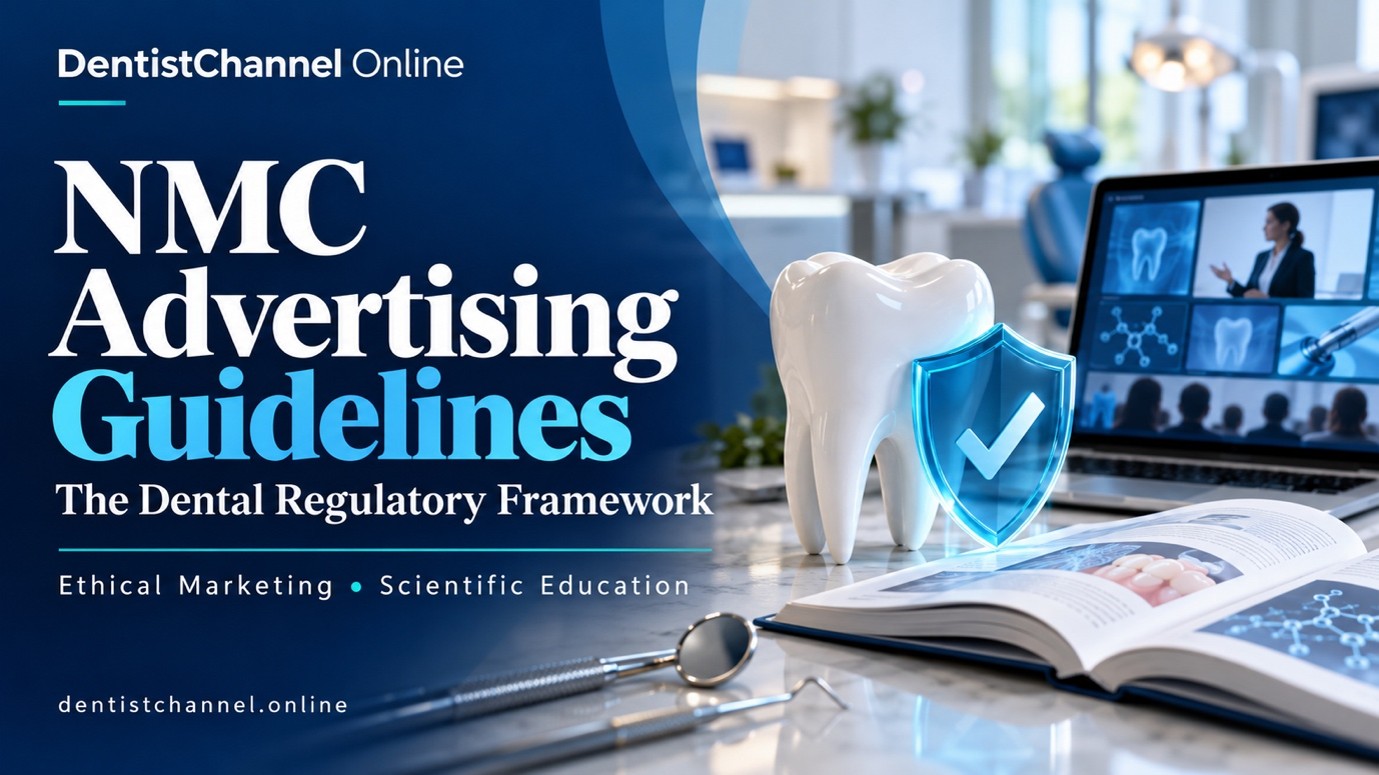
NMC Advertising Guidelines and the Dental Regulatory Framework
How Dentist Channel Online supports ethical dental marketing through scientific education, responsible PR and patient awareness
Ethical dental marketing in India begins with accurate information, scientific evidence and respect for professional regulations. Patients need reliable explanations of oral health and treatment options. Dentists need appropriate ways to communicate their qualifications, contribute to professional learning and share their work responsibly.
The National Medical Commission’s October 2026 advertising guidelines have brought renewed attention to healthcare communication. For dental professionals, understanding these guidelines alongside the dental regulatory framework is essential.
DentistChannel Online is committed to responsible healthcare communication, taking relevant Indian professional requirements and international ethical principles into consideration. Its ecosystem connects scientific webinars, professional education, factual PR and patient awareness through World Implant Expo, Save the Tooth, Bharat Dental Show and Smile USA / AAID Study Club activities.
What Are the NMC Advertising Guidelines?
On 6 October 2026, the National Medical Commission issued Guidelines on Ethical Advertising and Public Communication by Hospitals/Medical Institutions and Registered Medical Practitioners.
The guidelines address misleading healthcare claims, patient solicitation, privacy and digital promotion. Communications through agencies, influencers, third-party platforms and AI are also addressed. Using an intermediary does not remove responsibility for authorised promotional content. Read the official NMC guidelines.
This notice was issued by NMC, rather than the National Dental Commission (NDC). It should therefore not be described as a newly issued NDC dental advertising regulation.
Dentists must assess communications against the applicable dental rules and State Dental Council requirements. The implications for a particular healthcare establishment also depend on its regulatory status and the services it provides.
NDC, DCI and the Dental Code of Ethics
The National Dental Commission’s official regulatory register includes NDC materials and regulations issued by the erstwhile Dental Council of India.
Among these is the Revised Dentists (Code of Ethics) Regulations, 2014. Practitioners should consult the applicable provisions together with amendments and current directions.
The dental code addresses professional advertising, publicity, referral commissions, industry relationships and public product endorsements. An important distinction exists between permitted factual communication, professional education and prohibited promotion.
For a dental clinic, ethical communication requires more than removing words such as “best.” The content’s purpose, claims, audience and method of distribution also matter.
International Ethical Principles: FDI and WMA
DCO’s approach also considers internationally recognised professional guidance.
The FDI World Dental Federation’s Advertising in Dentistry policy, revised in 2025, supports accurate, evidence-based and balanced communication. It discourages exaggerated claims, misleading comparisons and superlative language suggesting superiority.
FDI’s Ethics in Dentistry statement also emphasises truthful communication, patient welfare, confidentiality and attention to conflicts of interest.
For medical practitioners, the WMA International Code of Medical Ethics requires factual, non-misleading marketing and professional judgement unaffected by commercial interests.
These are professional ethical codes and policies. They complement applicable national requirements; they do not constitute a single worldwide advertising law or replace local restrictions.
DCO’s Commitment to Ethical Healthcare Marketing
DCO is committed to following applicable healthcare communication requirements and using relevant ethical codes to guide its editorial and educational work.
Its approach centres on:
Education driven marketing should retain a meaningful educational purpose. A webinar, interview or article must not serve as a disguise for prohibited solicitation or endorsement.
Scientific Webinars and LZK Germany Education Credits
DCO’s webinars are designed around scientific learning and continuing professional development.
Eligible programmes carry continuing dental education recognition from Landeszahnärztekammer Rheinland-Pfalz, Germany, according to the scope and conditions of the relevant approval.
Educational sessions can explore clinical evidence, treatment planning, complications, preventive care and developments in dental technology. Practitioners contribute by explaining their reasoning and discussing the strengths and limitations of available approaches.
Credit recognition must be communicated accurately for each programme. It supports the educational activity and should not be presented as approval of all DCO marketing or a participating practitioner’s advertising.
World Implant Expo: Credibility Through Scientific Contribution
World Implant Expo supports professional engagement around implant dentistry, clinical developments and technology.
DCO can help practitioners communicate through educational interviews, scientific discussions and factual reporting of professional contributions.
Useful topics include implant planning, patient selection, maintenance, complications and digital workflows. Content should acknowledge clinical limitations and distinguish evidence from commercial messaging.
Professional credibility can grow through meaningful contributions to learning. Participation should not imply superior clinical ability, guaranteed treatment outcomes or regulatory endorsement of a practitioner or product.
Ethical Dental PR for Practitioners and Clinics
Responsible dental PR communicates verified information with context.
DCO can support factual coverage of teaching activities, scientific presentations, research contributions, public awareness initiatives and relevant practice developments, subject to applicable requirements.
An interview may explain how patients can understand treatment alternatives or why implant maintenance matters. A professional profile may accurately describe qualifications and experience without unsupported claims of excellence.
Paid or sponsored content should be identifiable. Publishing through DCO does not exempt a dentist or clinic from professional obligations.
Save the Tooth: Patient Education and Prevention
Save the Tooth places prevention and oral health awareness at the centre of public communication.
Patient education can address gum health, oral hygiene, tooth preservation, preventive care and questions to discuss with a treating dentist.
The aim is to improve understanding and support informed decisions. Content should avoid fear-based messages, unnecessary treatment pressure and unrealistic expectations.
Patient stories, photographs and treatment information require careful review. Consent alone should never be assumed to make every promotional use permissible.
Bharat Dental Show: Sustained Academic Collaboration
Bharat Dental Show brings together students, faculty, practitioners and industry participants through a year-round academic engagement model.
Its collaboration model involves more than 12 dental colleges annually, creating opportunities for scientific lectures, workshops and professional discussions.
The programme’s sustainability focus includes continued learning, responsible use of resources and broader access to academic engagement.
DCO’s commitment is to support clear learning objectives, appropriate faculty and balanced scientific content. Sponsorship and commercial displays should remain transparent, with relevant arrangements reviewed against professional requirements.
Academic collaboration is valuable, but it should not be presented as blanket approval of every promotional activity.
Smile USA / AAID Study Club: Scientific Professional Learning
DCO describes its Smile USA / AAID Study Club activities as focused on scientific education and professional development.
Evidence appraisal, case discussions and treatment planning can help practitioners strengthen their knowledge and clinical judgement.
Faculty relationships should be disclosed, and discussions should address uncertainty and limitations. Study club participation must not imply specialist status, AAID certification or endorsement unless the specific credential or recognition has been formally awarded.
How DCO Can Help Your Dental Practice
DCO can help dentists and clinics prepare educational content, communicate verified professional information and review promotional wording.
Its support can include scientific webinars, patient education articles, factual professional profiles, responsible PR and academic engagement.
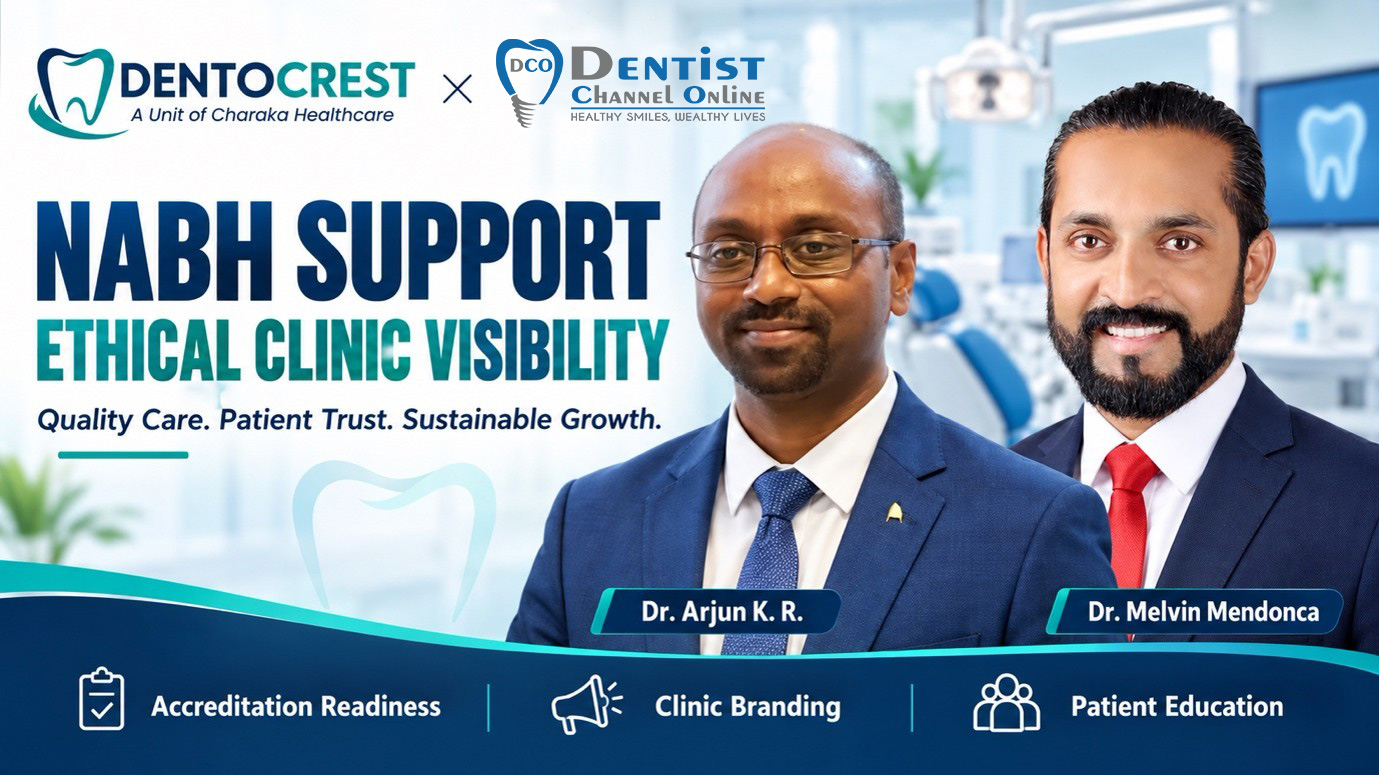
DCO also offers NABH accreditation support for clinics and regulatory support for medical device businesses. These services can complement communication work through documentation, readiness assessment and specialist guidance. Accreditation and regulatory decisions remain with the respective authorities.
Each engagement should begin with a clear purpose, defined deliverables and an assessment of the applicable requirements.
Connect with DentistChannel Online to explore scientific education, patient awareness and responsible professional communication for your practice or organisation.
This article provides general information. Specific campaigns require assessment against current professional regulations and the laws applicable to their intended audience.
Chat on WhatsApp