
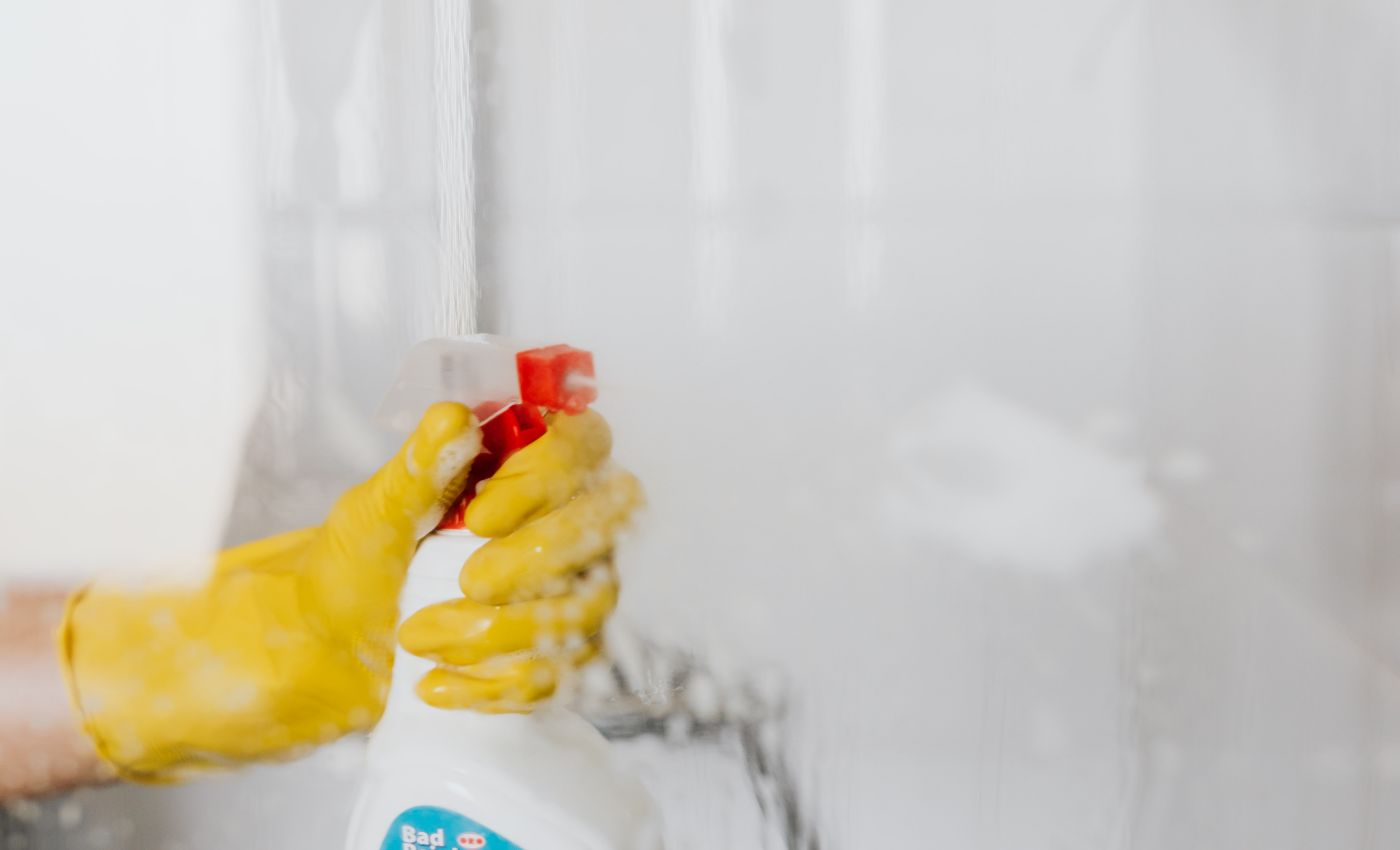
Surface Disinfection against COVID19
Surface disinfection is an important aspect of infection prevention and control in dental practice. Although disinfection is a routine practice in dentistry, with the prevailing pandemic situation it has gained immense importance.
Viability of Novel Coronavirus on surfaces
COVID-19 virus/ Novel Coronavirus have been found to be persistent on different surfaces. It was found that the COVID-19 virus remained viable up to 1 day on cloth and wood, up to 2 days on glass, 4 days on stainless steel and plastic, and up to 7 days on the outer layer of a medical mask, 4 hours on copper, 24 hours on cardboard and up to 72 hours on plastic and stainless steel. The COVID-19 virus also survives in a wide range of pH values and ambient temperatures. It is susceptible to heat and standard disinfection methods.
Surface disinfection and Cleaning
Cleaning helps to remove pathogens or significantly reduce their load on contaminated surfaces and is an essential first step in any disinfection process. Cleaning with water, soap and some form of mechanical action (brushing or scrubbing) removes and reduces dirt, debris and other organic matter such as blood, secretions and excretions, but does not kill microorganisms.
Organic matter can impede direct contact of a disinfectant to a surface and inactivate the germicidal properties or mode of action of several disinfectants. In addition to the methods used, the disinfectant concentration and contact time are also critical for effective surface disinfection. Therefore, a chemical disinfectant, such as chlorine or alcohol, should be applied after cleaning to kill any remaining microorganisms.
Hot spots in Dental Clinic for Surface Disinfection
Waiting area/ reception
Inpatient/ Outpatient rooms
Dental chair and its parts
Tables and chairs
Trolley
Instrument racks/ drawers
Hallways / corridors
Patient bathrooms/ toilets
Surface disinfectants effective against Novel Coronavirus
Ethanol 70-90%
Chlorine-based products (e.g., hypochlorite) at 0.1% (1000 ppm) for general environmental disinfection or 0.5% (5000 ppm) for blood and body fluids large spills
1 % Sodium Hypochlorite for 10 mins contact time is also recommended
NaDCC (sodium dichloroisocyanurate) powder or tablets (Forms Hypocholorous acid in water, 10 min contact time)
Hydrogen peroxide >0.5%
Chloroxylenol (4.5-5.5%)/ Benzalkonium Chloride
Methods of Surface Disinfection
Use of PPE: Personnel or staff who are involved in preparation of solutions and involved in cleaning work must wear personal protective equipment. PPE for this purpose includes gowns with long-sleeves, closed work shoes, impermeable aprons, gloves, medical mask, and eye protection (preferably face shield).
Surfaces: For the floor surfaces a 2 Step Cleaning Procedure should be performed. It is done using Detergent and freshly prepared 1% sodium hypochlorite with a contact time of 10 minutes. Mop the floor starting at the far corner of the room and work towards the door. Frequency: after any patient/ major splash or two hourly. For rest of the surfaces freshly prepared 1% sodium hypochlorite (Contact Time: 10 minutes) must be used. Damp dusting should be done in straight lines that overlap one another. Frequency of this procedure must be before starting daily work, after every procedure and after finishing daily work.
Delicate electronic equipments or metallic surfaces: They should be wiped with alcohol-based rub/spirit (60-90% alcohol) swab before each patient contact. Alternatively, Hydrogen Peroxide or Benzalkonium Chloride based disinfectants can also be used for delicate items. Few items like parts of dental chair and pipelines may get rusted/ corroded by use of Sodium hypochlorite. Hence, Sodium hypochlorite must be used with caution.
Additional note on Alcohol based and Sodium hypochlorite
Alcohol based disinfectants
Ethyl alcohol (70%) is a powerful broad-spectrum germicide and is considered generally superior to isopropyl alcohol.
It is flammable, limit its use as a surface disinfectant to small surface-areas and use it in well-ventilated spaces only.
Prolonged and repeated use of alcohol as a disinfectant can also cause discoloration, swelling, hardening and cracking of rubber and certain plastics.
Sodium hypochlorite based disinfectants
They can corrode metals and damage painted surfaces.
Avoid touching the eyes. If bleach gets into the eyes, immediately rinse with water for at least 15 minutes, and consult a physician.
Do not use bleach together with other household detergents
To ensure its effectiveness, purchase recently produced bleach, and avoid over-stocking.
Final Note
Evidence based approach forms the key to maintain a safe and effective work environment in dental practice. With evolving situation dental practitioners should adapt the best practices of surface disinfection





Hailey - 1 year ago