
 Dr.Melvin Mendonca,DBA,DJV
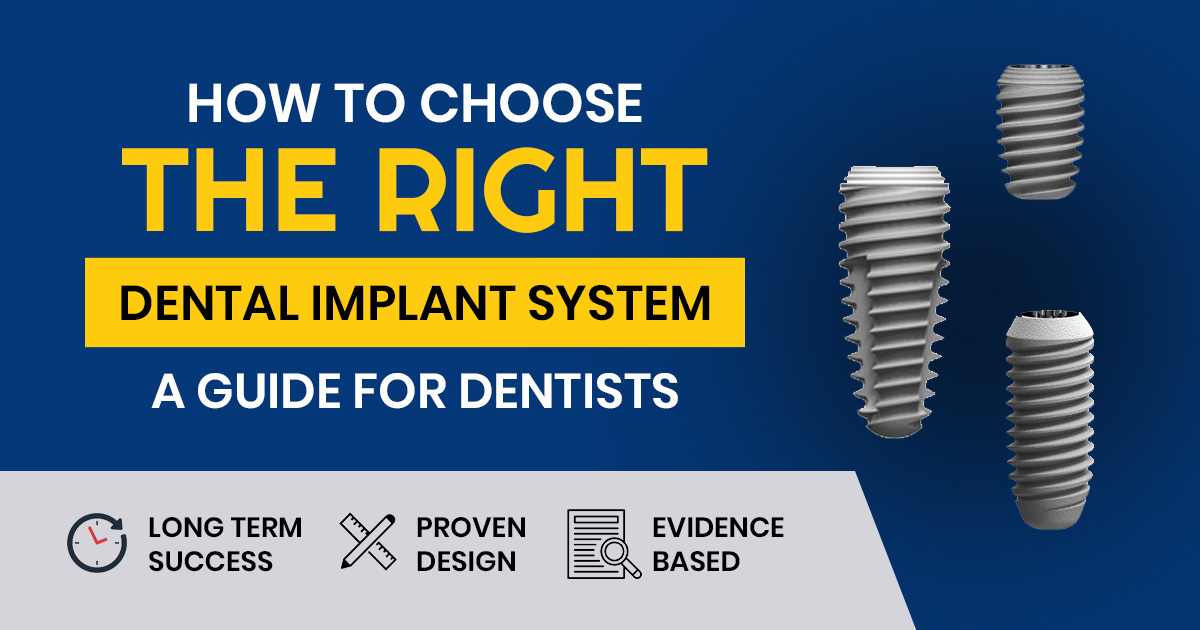
How to Choose the Right Dental Implant System
A Practical Guide for Dentists in the Era of Evidence-Based Implantology
By Dr. Melvin Mendonca, DBA
DentistChannel.online
Dental implantology has transformed modern dentistry. Over the last two decades, implants have become one of the most predictable treatment options for replacing missing teeth. However, the rapid expansion of the implant market has also created a challenge for clinicians: which implant system should we trust for long-term clinical success?
Today, dentists are confronted with hundreds of implant brands, each claiming advanced technology, new surfaces, and improved designs. Yet the most important question remains unchanged:
Which implant system will still function predictably in the patient’s mouth after 20 years?
This article provides a practical framework to help dentists choose implant systems based on biological stability, scientific evidence, and long-term clinical responsibility.
The New Reality in Implant Dentistry
The global dental implant industry has grown dramatically over the past 20 years. Millions of implants have been placed worldwide, and implant therapy is now a routine part of everyday dental practice.
But an interesting trend is emerging in clinics around the world.
Many experienced implantologists report that a significant portion of their clinical workload today involves managing complications from implants placed years ago.
These cases include:
This situation highlights an important truth:
Implant success cannot be judged after one or two years.
True evaluation of an implant system requires at least a decade of clinical observation.
Implant Dentistry Is a Long-Term Commitment
Unlike many dental treatments, implants are designed to remain in the mouth for decades.
Patients expect implants to function for 20–30 years or longer, which means clinicians must consider long-term biological and mechanical stability before selecting an implant system.
Scientific reviews show encouraging results:
However, these numbers depend strongly on implant design, surgical protocol, prosthetic planning, and maintenance programs.
Therefore, the responsibility for implant longevity begins with choosing the right system.
Key Principles for Selecting a Dental Implant System
One important indicator of reliability is design stability over time.
Some implant systems have maintained their core connection and design philosophy for decades. These systems provide long-term prosthetic compatibility and a large body of clinical evidence.
Frequent design changes, on the other hand, may indicate that previous versions were not fully optimized.
Dentists should ask:
A stable design often reflects confidence in the engineering concept.
The connection between implant and abutment is one of the most critical areas affecting long-term outcomes.
Research shows that conical or Morse-taper connections can reduce micro-movement and bacterial leakage compared with simpler connection designs.
A stable connection can contribute to:
This small engineering detail can have a major impact on long-term implant performance.
Modern implantology increasingly focuses on preserving bone and soft tissue stability.
Features that support biological stability include:
Maintaining stable soft tissue around the implant neck is particularly important for preventing peri-implant disease.
Dentists should choose implant systems that provide a comprehensive prosthetic ecosystem.
A versatile implant system should support:
Prosthetic flexibility ensures clinicians can manage both routine and complex implant cases efficiently.
Another essential factor is clinical evidence.
Before selecting an implant system, dentists should review:
Implant systems with strong scientific support provide greater confidence in long-term patient outcomes.
Implant Systems Designed for Long-Term Stability
Several implant systems worldwide have built their reputation through decades of clinical use and consistent design philosophy.
These systems emphasize long-term stability, biological compatibility, and prosthetic predictability rather than frequent design changes.
One example is the Argon K3Pro implant system, developed in Germany.
The Stable Tissue Philosophy Behind Argon K3Pro
Argon K3Pro implants are designed around the concept of stable hard and soft tissue architecture.
More than 1.1 million implants have been placed worldwide, and the system has maintained its core connection design for over 25 years.
Key design elements include:
True Morse Taper Connection
A precise 1.5° internal conical connection creates a tight mechanical seal between implant and abutment, reducing micro-movement and bacterial infiltration.
Sub-crestal Placement Concept
The implant design supports placement slightly below the bone crest, helping create a protective biological seal around the implant neck.
Comprehensive Prosthetic Solutions
The system integrates with multiple prosthetic components including:
These solutions enable clinicians to manage a wide variety of implant indications.
The Ethical Responsibility of Implant Selection
Dental implants have significantly improved quality of life for millions of patients. However, maintaining patient trust requires responsible decision making.
Dentists must choose implant systems based on:
Patients trust dentists not only to restore teeth but also to select treatment solutions that remain stable for many years.
Looking Ahead: The Future of Implant Dentistry
The next phase of implantology will likely focus on three major areas:
Digital precision
guided surgery and digital prosthetic workflows
Biological stability
implant designs that preserve bone and soft tissue
Long-term sustainability
implant systems built to last for decades
As the field continues to evolve, clinicians who prioritize evidence-based implant selection will be best positioned to deliver reliable outcomes for their patients.
Conclusion
Choosing the right implant system is one of the most important decisions in implant dentistry.
By focusing on design stability, biological compatibility, scientific evidence, and prosthetic versatility, dentists can ensure their implant treatments remain predictable for many years.
Implantology is not simply about placing implants—it is about building long-term oral health solutions.
Learn More
Dentists interested in learning more about the Argon K3Pro implant system and its stable tissue concept can visit:









Darlisha - 5 months ago